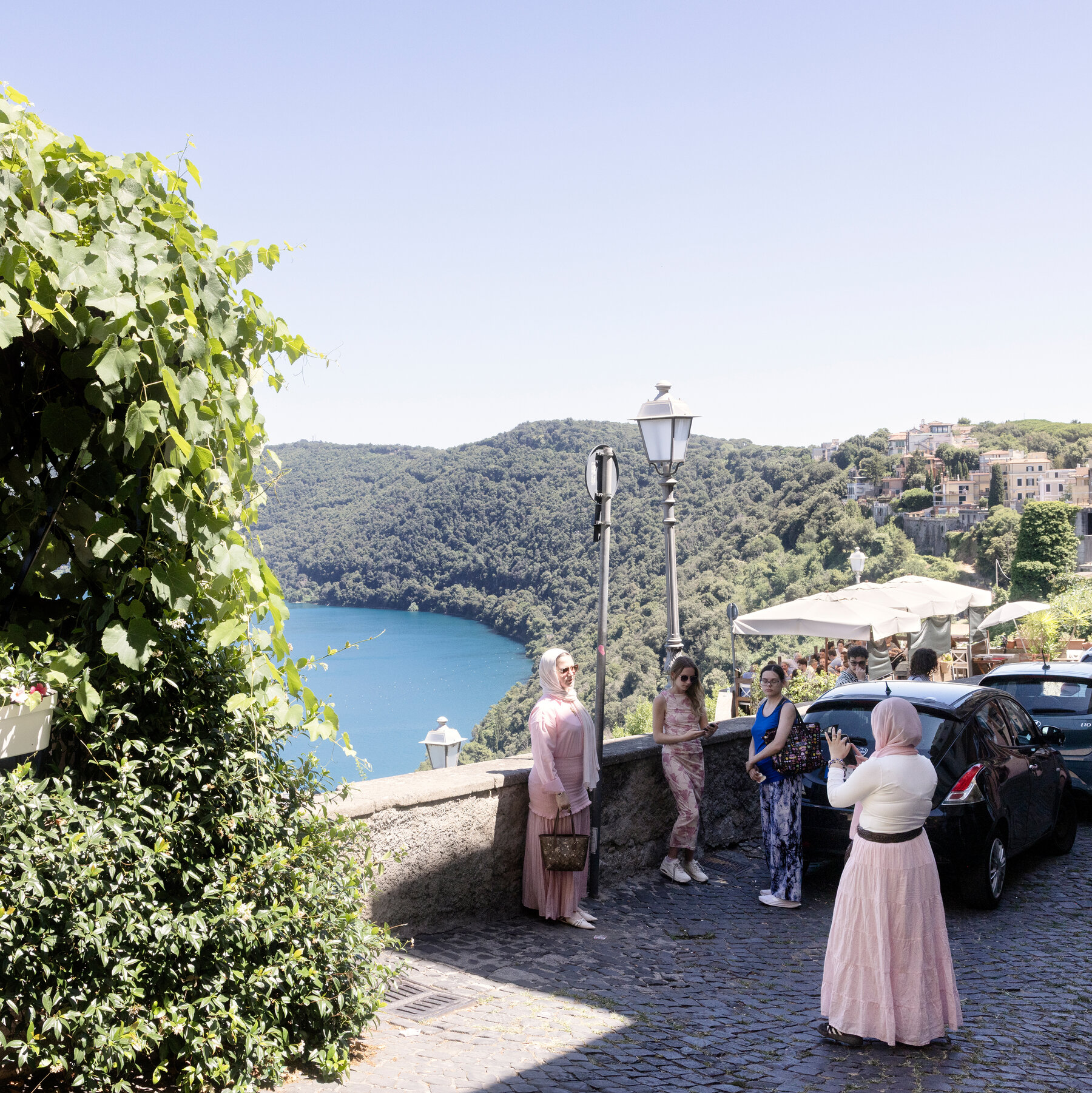
For centuries, the serene hilltop town of Castel Gandolfo in Italy has played host to a very special summer guest—the Pope. This tradition, which spanned an impressive 400 years, saw most pontiffs escaping the oppressive heat of Roman summers by retreating to the cooler climes and picturesque scenery of this small town. However, this long-standing custom came to an unexpected halt with the papacy of Pope Francis.
Understandably, the absence of the pontiff during the summer months has left the residents of Castel Gandolfo feeling somewhat abandoned. This town, located about 25 kilometers southeast of Rome, has long relied on the annual papal visit not just for its cultural significance but also for the economic boost it brings. Local businesses, from souvenir shops to small cafes, thrived on the influx of tourists and pilgrims who followed the Pope to this scenic locale.
The tradition began with Pope Urban VIII, who first made his summer retreat to Castel Gandolfo in the early 17th century. The Papal Palace, an architectural marvel set overlooking Lake Albano, served as the summer residence of successive popes, who found solace and a temporary escape from their Vatican duties amidst its expansive gardens and frescoed halls. Over the years, the presence of the Pope turned this quiet town into a bustling hub of religious activity and tourism.
Pope Francis, known for his modest lifestyle and focus on pastoral duties rather than ceremonial pomp, chose not to use the Papal Palace as his summer residence. His decision marks a significant shift in papal tradition, reflecting his broader approach of breaking away from the lavish customs often associated with the Vatican. Instead, Pope Francis has often used the summer period to continue his work in the Vatican or to travel on pastoral visits around the world.
The economic and social impact of this decision on Castel Gandolfo has been profound. While the town still attracts visitors drawn by its historical connection to the papacy and its natural beauty, the numbers have dwindled without the annual papal visit. The local government and tourism boards have been forced to rethink their strategies to attract tourists, focusing on promoting the town’s rich history, the Papal Palace, now turned into a museum, and the stunning volcanic lake, which offers various recreational activities.
In response to the changing times, Castel Gandolfo has begun to reinvent itself. The town is enhancing its appeal by hosting music festivals, art exhibitions, and food markets that showcase the rich culinary traditions of the region. These initiatives aim to keep the town vibrant and economically viable, even without the Pope’s summer presence.
Despite these efforts, the sentimental value of the papal tradition cannot be underestimated. For many locals and visitors alike, the Pope’s summer stay was a time of spiritual renewal and community celebration. It is a testament to the deep historical ties and personal connections that have defined Castel Gandolfo for centuries.
As Castel Gandolfo adapts to this new era without its most famous summer resident, the town continues to hold onto its rich heritage while embracing change. The hope remains that even without the annual papal visit, Castel Gandolfo will continue to thrive and attract visitors from around the world, drawn by its beauty, history, and the warm hospitality of its residents.
Reference: [New York Times Article](https://www.nytimes.com/2025/07/03/world/europe/pope-leo-summer-castel-gandolfo.html)