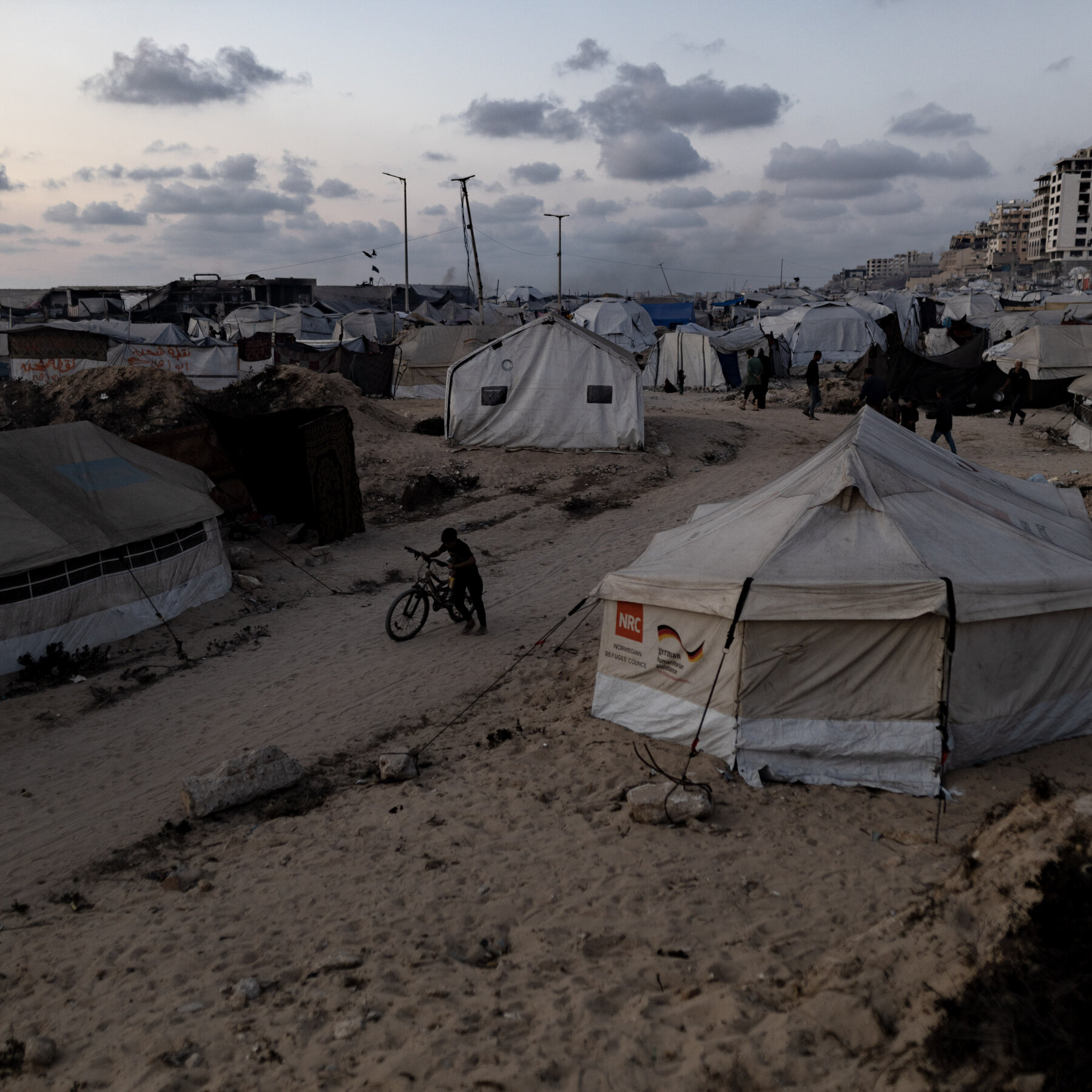
In the volatile arena of Middle Eastern politics, cease-fires are as fragile as they are crucial. The latest development in the ongoing conflict in Gaza is no exception. Hamas, the Palestinian militant group that governs the Gaza Strip, has expressed a conditional willingness to agree to a new cease-fire proposal. However, their acceptance hinges on the assurance that these negotiations will pave the way to a lasting resolution, signaling an end to the recurrent hostilities that have plagued the region.
The cease-fire proposal in question aims to halt the current hostilities, which have once again escalated, causing significant civilian casualties and hardship. The proposal, mediated by international actors, including countries that have historically played roles in peace processes in the region, seeks not only to stop the immediate violence but also to address some of the underlying issues that fuel this longstanding conflict.
Hamas’s demand for guarantees is not just a procedural formality. It reflects a deep-seated mistrust born from years of agreements that have failed to deliver lasting peace. The group insists that any cease-fire must not be a mere pause in fighting but a gateway to substantive political dialogue aimed at addressing the core issues at the heart of the conflict. These include the blockade of Gaza, the status of Palestinian prisoners, and the broader political rights of the Palestinian people.
The skepticism surrounding cease-fire agreements is not unfounded. Past cease-fires have often broken down, sometimes within days, as underlying tensions and unresolved grievances resurface. For Hamas and the Palestinian population in Gaza, the stakes are high. The enclave has been under a blockade imposed by Israel and Egypt since 2007, severely restricting the movement of people and goods. The blockade has devastated Gaza’s economy, exacerbated humanitarian crises, and deepened the sense of isolation among its population.
The international community’s role in ensuring that negotiations lead to substantial outcomes cannot be overstated. Past negotiations have often been criticized for failing to engage adequately with the legitimate aspirations and concerns of the Palestinian side. For a cease-fire to be effective and for it to lead to a durable peace, international mediators must ensure that all parties are genuinely committed to the process and that the agreements are implemented fully and fairly.
Moreover, the success of this cease-fire proposal depends on its ability to address not only the military aspects of the conflict but also its humanitarian, economic, and political dimensions. This includes lifting the blockade on Gaza, providing for the reconstruction of devastated infrastructure, and restoring normalcy to the lives of Gaza’s residents, who have suffered the brunt of the conflict.
In conclusion, while the latest cease-fire proposal represents a glimmer of hope amid the darkness of conflict, its success hinges on the willingness of all parties to move beyond temporary fixes and engage in a meaningful dialogue that addresses the root causes of the conflict. Only with strong guarantees and a clear path to lasting peace can this cease-fire proposal hope to achieve its objectives and bring about a significant change in the lives of those affected by the conflict in Gaza.
For more detailed coverage on this topic, visit the original article: [New York Times](https://www.nytimes.com/2025/07/03/world/middleeast/israel-hamas-ceasefire-negotiations.html)