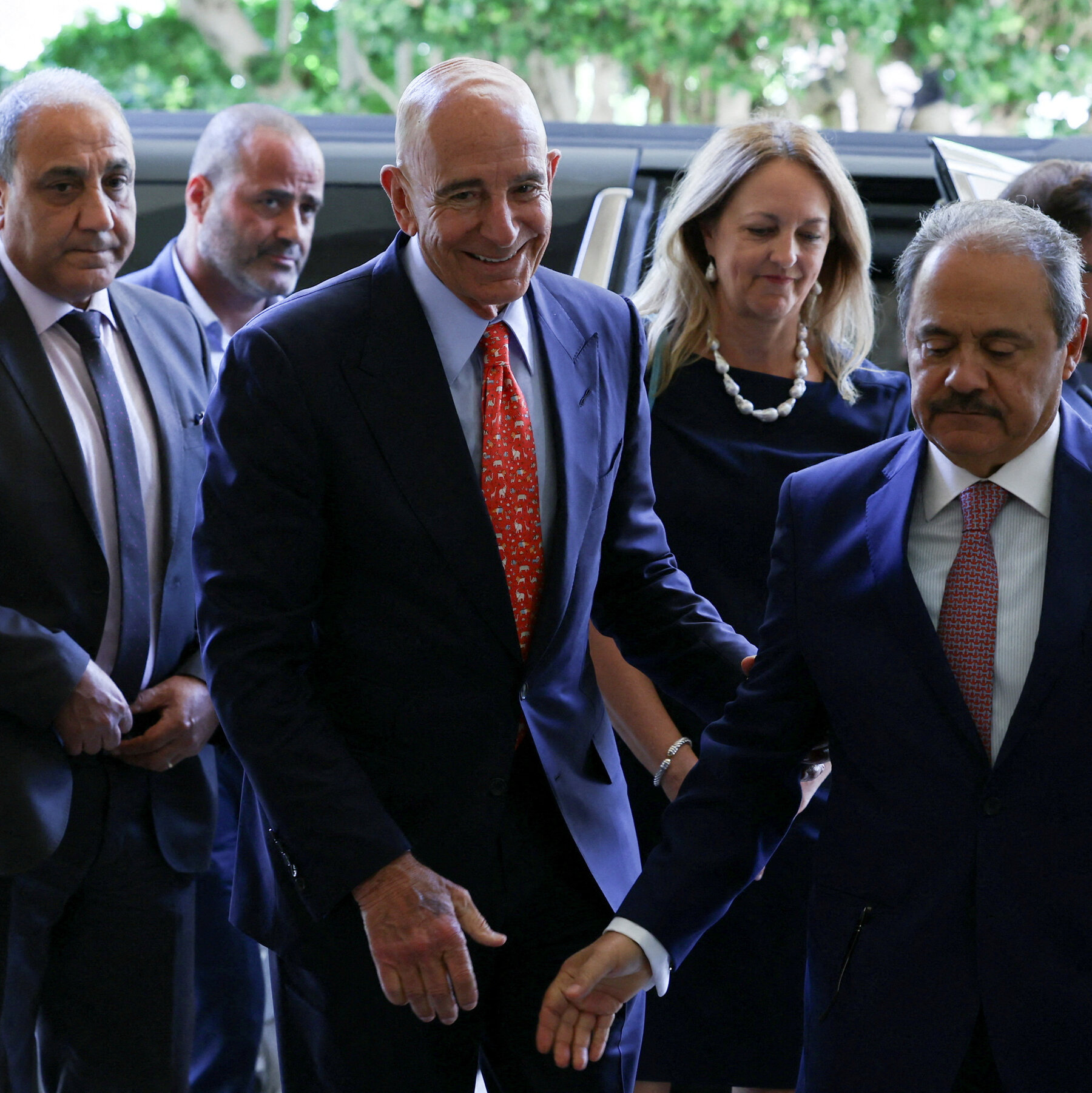
In recent statements, Thomas J. Barrack Jr., the United States Ambassador to Turkey, has highlighted a significant shift in U.S. foreign policy in the Middle East. The focus now, according to Ambassador Barrack, is squarely on facilitating economic development rather than the more traditional approach of nation-building. This strategic pivot is seen as a crucial step towards fostering stability and prosperity in a region long plagued by political and social upheavals.
The ambassador’s comments came amidst ongoing discussions that the United States is currently facilitating in the Middle East. These discussions are crucial, as they involve key regional players and potentially impact several geopolitical dynamics in the area. By prioritizing economic development, the U.S. aims to create a foundation for sustainable growth that can lead to improved living standards and greater economic opportunities for the people in the Middle East.
The concept of nation-building has often been criticized for its mixed results in the region. Previous interventions, under the banner of nation-building, have sometimes led to long-term conflicts and destabilization rather than peace and development. Learning from past experiences, it seems the U.S. government is now looking to economic empowerment as a more effective and less intrusive means of supporting positive change in the Middle East.
Economic development is a broad term that encompasses a range of activities and initiatives designed to improve the economic standing of a country or region. This can include everything from infrastructure development, such as roads and telecommunications, to education and workforce training programs. By improving these fundamental aspects, the U.S. hopes to help create a more robust economy that is capable of sustaining itself without external support.
Moreover, economic development is often seen as a precursor to political stability. Economically stable communities are less likely to experience social unrest and are better equipped to manage political transitions. This is particularly important in the Middle East, where many countries are seeking to navigate complex political landscapes in order to establish more democratic and inclusive governance structures.
Ambassador Barrack’s role as the U.S. ambassador to Turkey is pivotal in these efforts. Turkey is a key strategic partner in the region and plays a critical role in the economic and political dynamics of the Middle East. The ambassador’s involvement in facilitating these discussions underscores the importance of Turkey’s position and its influence across neighboring regions.
As these discussions continue, the international community watches closely to see how this new approach might lead to different outcomes compared to previous efforts. If successful, the shift from nation-building to economic development could serve as a model for future U.S. foreign policy in other parts of the world where similar challenges persist.
The implications of these changes are vast, not only for the Middle East but for global geopolitics. A stable and economically prosperous Middle East can contribute to global markets and become a cornerstone of international security and prosperity.
The full details and ongoing updates on these discussions can be further explored in the original New York Times article linked below:
[https://www.nytimes.com/2025/07/03/world/middleeast/israel-syria-border-us-barrack.html](https://www.nytimes.com/2025/07/03/world/middleeast/israel-syria-border-us-barrack.html)