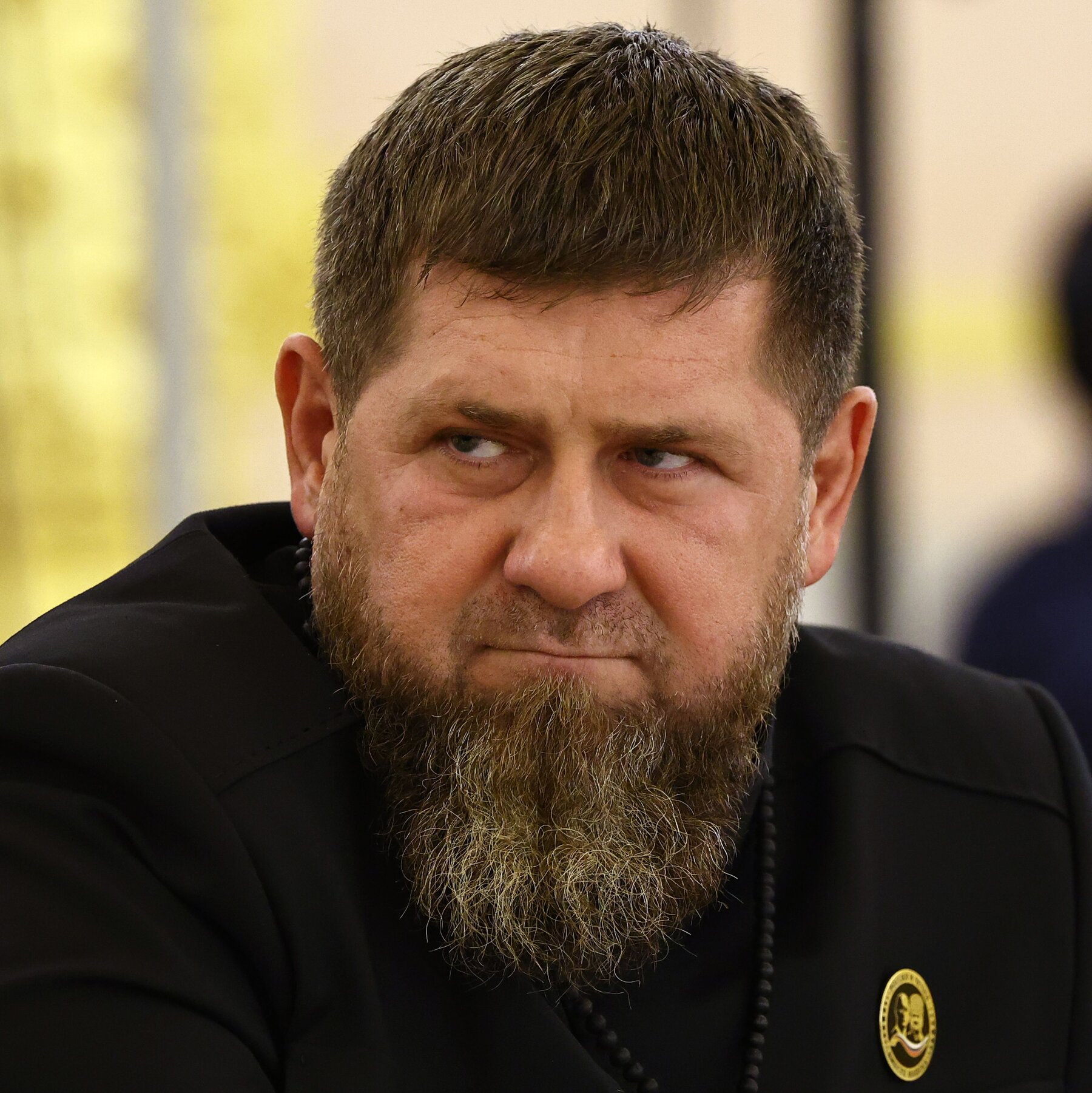
In recent weeks, Chechnya’s iron-fisted leader, Ramzan Kadyrov, has sparked widespread speculation due to his uncharacteristic absence from the public eye. Kadyrov, known for his authoritarian rule and close ties with the Kremlin, has been a dominant presence in Chechnya since he assumed power in 2007. His sudden disappearance from public events and media has fueled rumors about his health and raised questions about the future leadership of the region.
Kadyrov, who is in his late forties, has been a controversial figure on the global stage. His leadership is marked by allegations of human rights abuses and a strict governance style that has both stabilized and suppressed the region. Despite these controversies, he has maintained the support of Russian President Vladimir Putin, securing Chechnya’s loyalty to Moscow following two devastating wars in the late 20th century.
The recent absence of Kadyrov comes at a time when he appears to be grooming his teenage son for a potential future leadership role. This move is not entirely surprising, given the dynastic nature of political leadership in many regions of the world where power often transfers within family lines. However, it does raise intriguing questions about the readiness and suitability of a young successor in a region as complex and volatile as Chechnya.
Kadyrov’s son, who is currently in his mid-teens, has been seen taking on more public duties and appearing at events traditionally reserved for high-ranking officials. This grooming process seems to be Kadyrov’s way of ensuring a smooth transition and continuity of governance in Chechnya. However, the readiness of a teenager to handle the intricate affairs of a region known for its political and military challenges is debatable.
Observers and analysts are closely monitoring the situation. The potential health issues of Kadyrov could lead to a power vacuum or even instability if not managed carefully. Chechnya’s strategic importance to Russia, both as a buffer zone in the Caucasus and as a symbol of Moscow’s ability to maintain control over its territories, cannot be overstated. Any signs of weakness could have far-reaching implications for the region’s stability and for Russian interests.
Moreover, the grooming of a teenage successor adds a layer of unpredictability to the future political landscape of Chechnya. While familial succession might ensure loyalty and continuity, it also poses significant risks if the successor lacks the experience or leadership skills necessary to govern effectively. The international community and human rights organizations are also watching closely, as any change in leadership could impact the human rights situation in the region.
In conclusion, while Ramzan Kadyrov’s current health status remains unclear, the implications of his potential departure from Chechen politics are significant. The preparation of his teenage son as a future leader adds complexity to an already intricate political narrative in Chechnya. As the situation develops, it will be crucial to monitor how Kadyrov manages his succession plan and what it means for the stability and human rights landscape in Chechnya.
For further details, you can access the original news article from The New York Times here: [https://www.nytimes.com/2025/07/03/world/europe/chechnya-kadyrov-illness-succession.html](https://www.nytimes.com/2025/07/03/world/europe/chechnya-kadyrov-illness-succession.html)