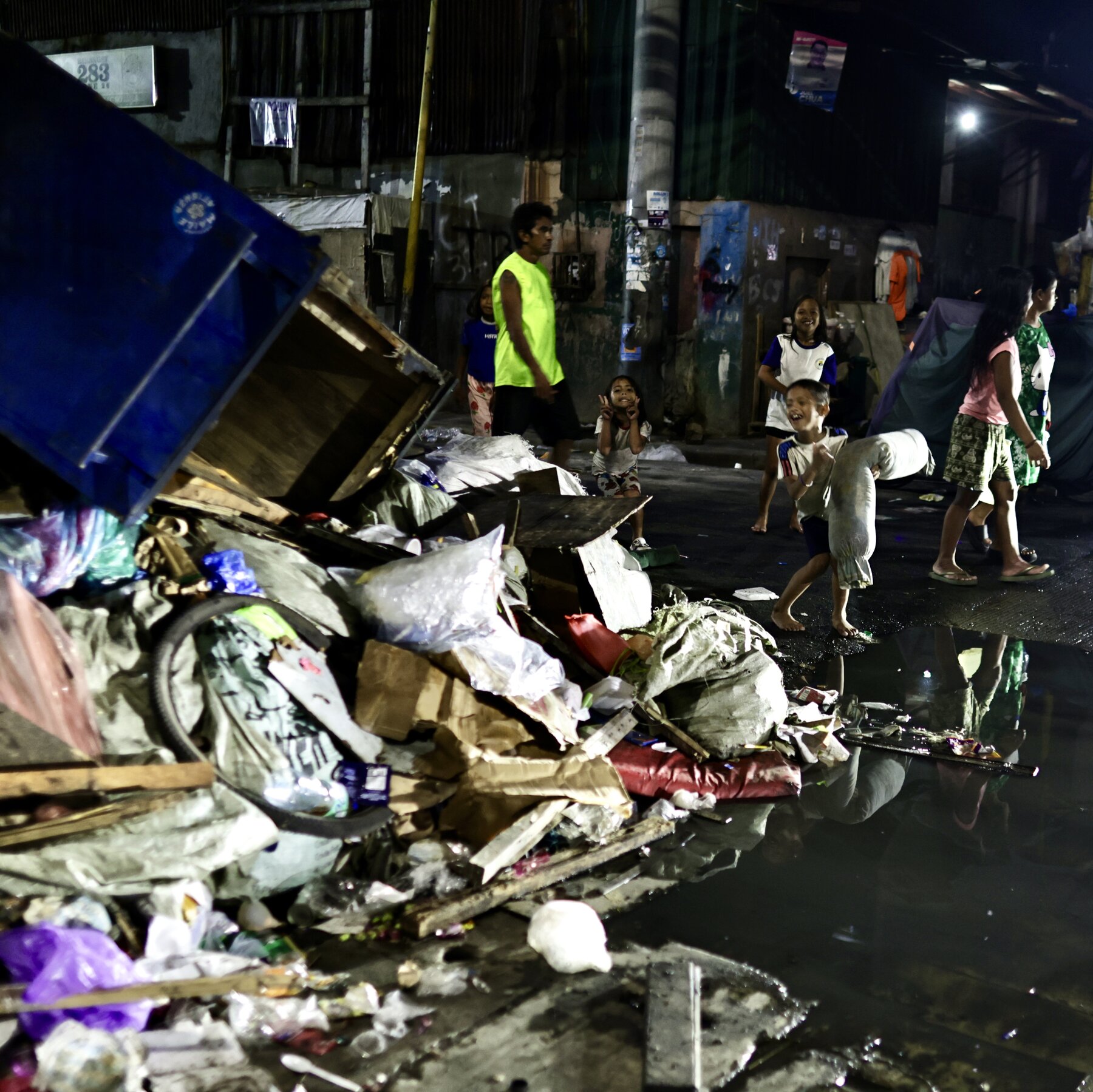
The bustling city of Manila, known for its vibrant culture and dense population, is currently facing a severe environmental and public health crisis. Mayor Francisco Domagoso has officially declared a state of emergency due to the accumulation of uncollected garbage throughout the city. This drastic measure comes after local garbage contractors ceased their collection services, citing non-payment for their services as the reason for their inaction.
The issue began to surface weeks ago when residents of Manila started noticing increasing piles of waste on the streets. These mounds of garbage not only marred the city’s beauty but also posed significant health risks. The situation quickly escalated as more areas reported similar problems, with no immediate solutions in sight.
Investigations into the matter revealed that the contractors responsible for waste management in the capital had not received their due payments. This financial dispute has led to a halt in their operations, directly impacting the city’s sanitation services. The cessation of garbage collection has exacerbated the situation, leading to widespread public concern over the potential for increased vermin and disease.
In response to the crisis, Mayor Domagoso took decisive action by declaring a state of emergency. This legal declaration is aimed at mobilizing resources and funds swiftly to address the garbage accumulation. It also gives the city government the authority to implement emergency measures and seek immediate solutions to manage the waste crisis effectively.
The declaration of a state of emergency is a clear indicator of the severity of the situation and the urgency with which it needs to be addressed. The local government is now in the process of negotiating with the contractors to resolve the payment issues. Additionally, alternative measures such as hiring temporary waste collection services or deploying city workers to collect trash are being considered to alleviate the immediate problem.
Public health officials have also been alerted and are closely monitoring the situation to prevent any outbreak of diseases associated with poor sanitation. They are working in conjunction with community leaders to educate the public on maintaining hygiene and preventing disease spread in their locales.
The citizens of Manila are urged to cooperate with the authorities during this crisis. This includes adhering to waste disposal guidelines more strictly and reducing waste generation until the situation is under control. Community participation is crucial in managing such environmental and health crises effectively.
This garbage crisis in Manila highlights the critical importance of efficient and reliable public services, especially in densely populated urban areas. It also serves as a reminder of the interdependencies within urban management, where a breakdown in one sector can lead to widespread disruption.
As the city tackles this pressing issue, the resolution of this crisis will likely serve as a case study for other cities facing similar challenges. The effectiveness of the emergency measures taken by Mayor Domagoso’s administration will be closely watched by urban management professionals globally.
For more detailed coverage on this developing story, please visit the original article on The New York Times: [https://www.nytimes.com/2025/07/04/world/asia/manila-mayor-philippines-garbage.html](https://www.nytimes.com/2025/07/04/world/asia/manila-mayor-philippines-garbage.html).