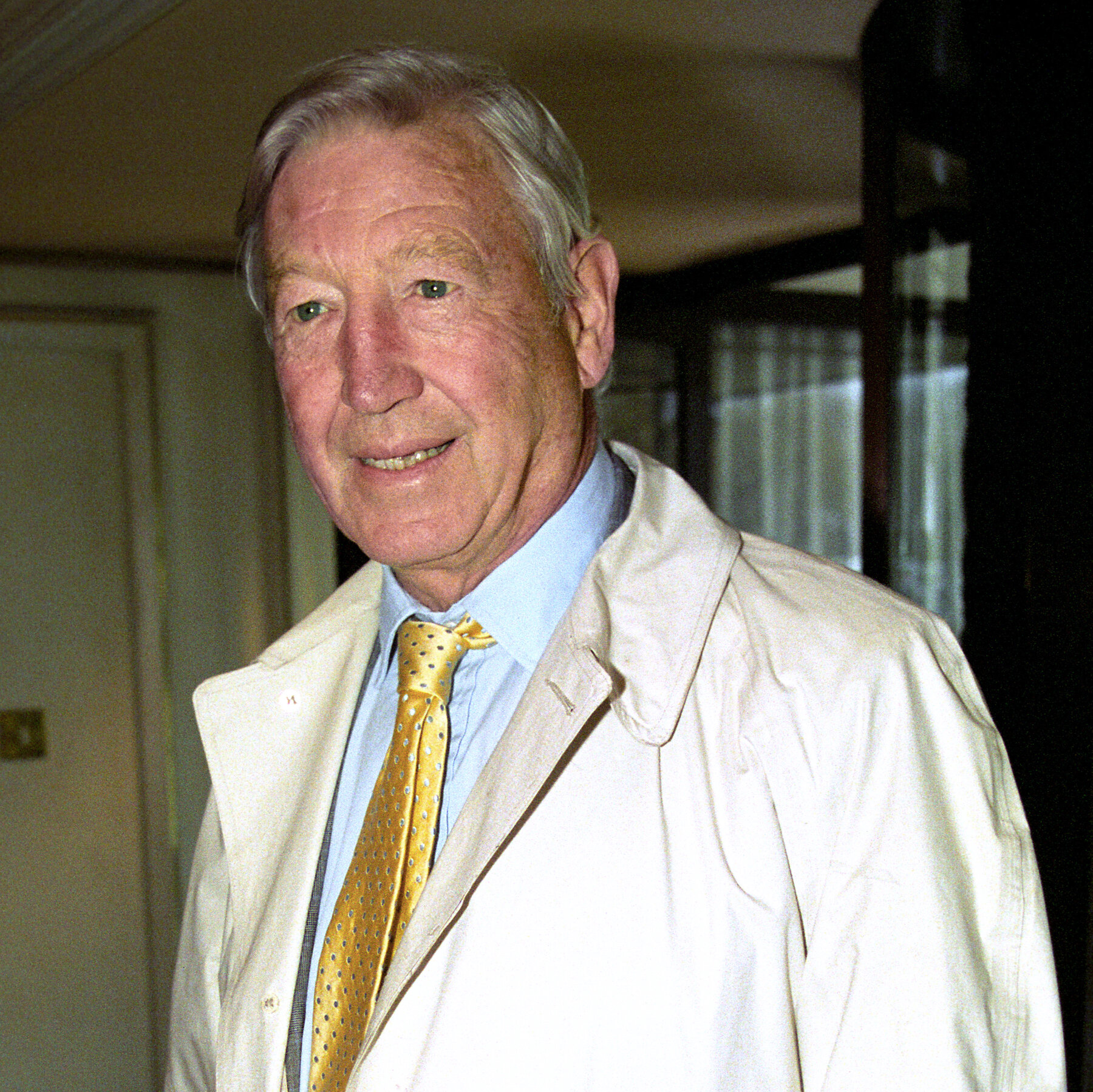
Throughout the tumultuous regions of Vietnam, Africa, and the Middle East, one journalist’s career was built on the foundation of intrepid reporting and a relentless pursuit of truth. This fearless journalist, who later became a familiar face on British television, epitomizes the transformation from a war correspondent to a beloved news presenter, a journey that reflects not only personal resilience but also the evolving landscape of journalism.
Starting his career in the dense jungles and chaotic streets of Vietnam during the war, this journalist’s early days were marked by the sounds of gunfire and the harsh realities of conflict. His reports from Vietnam were more than just news; they were vivid portrayals of human resilience and the complexities of war. His storytelling ability, combined with a profound understanding of the geopolitical landscape, made his dispatches indispensable for understanding the conflict.
After Vietnam, his career took him to Africa, where he covered stories ranging from political upheavals to humanitarian crises. In Africa, his journalism was characterized by a deep commitment to uncovering the underlying causes of conflicts and the impact on the civilian population. His reports helped to bring international attention to crises, influencing public opinion and sometimes policy.
The Middle East was his next station, a region rife with historical and political complexities. Here, he navigated through different countries, each with its own narrative of conflict and peace. His reporting from the Middle East was pivotal in providing nuanced perspectives on issues like the Israeli-Palestinian conflict, the Iran-Iraq war, and the Gulf War. His ability to explain intricate political dynamics in accessible language made his work invaluable to an international audience.
Transitioning from a war correspondent to a news presenter on British television, he brought with him a wealth of experience and a unique perspective on global affairs. His transition was not just a change of job but a shift in role from being at the front lines to interpreting global events for a British audience. As a news presenter, he maintained his commitment to journalistic integrity and continued to influence through his insightful analysis and authoritative delivery.
His legacy as a journalist is marked by his courage to report from some of the world’s most dangerous places and his ability to adapt to the changing media landscape. His career offers valuable insights into the role of journalists in shaping public discourse and the importance of robust journalism in sustaining democratic societies.
In conclusion, the journey from the front lines of global hotspots to the digital screens of British homes is a testament to the enduring power of journalism and the personal tenacity of a man who never stopped seeking the truth. As we remember his contributions, it’s clear that his impact on journalism and public understanding of international affairs will be long remembered.
For more details, visit the original article at [The New York Times](https://www.nytimes.com/2025/07/03/business/media/sandy-gall-dead.html).