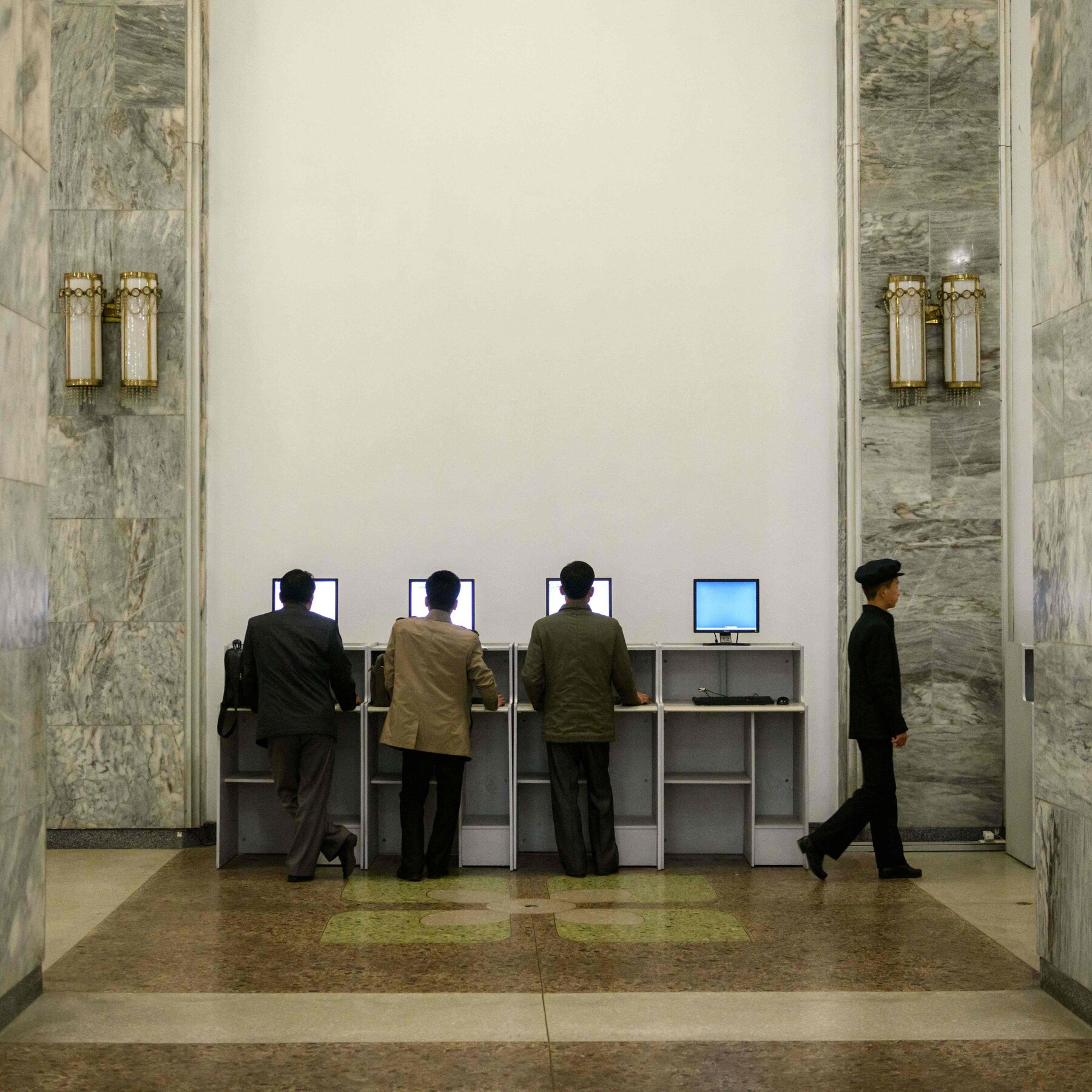
In a concerning development, North Korean nationals have been reported to secure employment under false pretenses across the globe, particularly in the tech industry. Prosecutors have revealed that these individuals are using falsified and stolen identities to evade international sanctions imposed on their country. The implications of this activity are far-reaching, not only aiding the North Korean regime financially but also posing a significant threat to global security by stealing corporate and potentially military secrets.
North Korea has been under stringent international sanctions due to its nuclear weapons and missile programs. These sanctions aim to cut off funding for these programs by restricting the country’s trade and financial transactions. However, the regime has continually found ways to circumvent these restrictions, with the latest method involving the tech sector—a critical area of the global economy.
According to authorities, these North Korean workers often possess high levels of expertise in software development, programming, and cybersecurity. This makes them attractive candidates in the technology job market. By using stolen or counterfeit identification documents, they are able to pose as nationals from other countries, thereby sidestepping the sanctions that prevent them from being legally employed abroad.
Once employed, these individuals do not merely contribute their skills to their respective companies. Prosecutors claim that they also engage in activities that directly benefit the North Korean government. This includes funneling part of their earnings back home, which helps sustain the regime economically. More alarmingly, it is believed that they are involved in covert operations aimed at acquiring trade and military secrets. Such activities likely include espionage and data theft, targeting advancements in military technology and other sensitive information that could be used to bolster North Korea’s own tech and defense capabilities.
The revelation of these activities raises significant questions about global corporate security measures and the effectiveness of international sanctions. Companies worldwide may need to enhance their vetting processes for tech employees, particularly in sensitive areas of research and development. This situation also underscores the challenge of enforcing international sanctions in the digital age, where identities can be easily masked and borders are less relevant.
Furthermore, this issue highlights a broader aspect of technological warfare and espionage. As countries increasingly rely on digital solutions and the global tech workforce becomes more interconnected, the potential for security breaches and illicit information transfer grows. This not only affects corporate entities but also national security across multiple countries.
Addressing this challenge requires a coordinated international response. Governments and international bodies need to tighten regulations and improve the sharing of information to prevent individuals under sanctions from participating in the global economy under false identities. Moreover, tech companies must scrutinize their hiring processes and work closely with governments to ensure that their employment practices are not inadvertently supporting unauthorized regimes.
As this situation develops, it is crucial for all parties involved in international trade, cybersecurity, and global politics to remain vigilant and proactive in safeguarding against such threats. The balance between open economic interaction and security is delicate and must be managed with careful consideration of the potential risks and repercussions.
For more details, you can read the original article from The New York Times here: [North Korea’s Tech Workers](https://www.nytimes.com/2025/07/02/world/asia/north-korea-tech-workers.html)