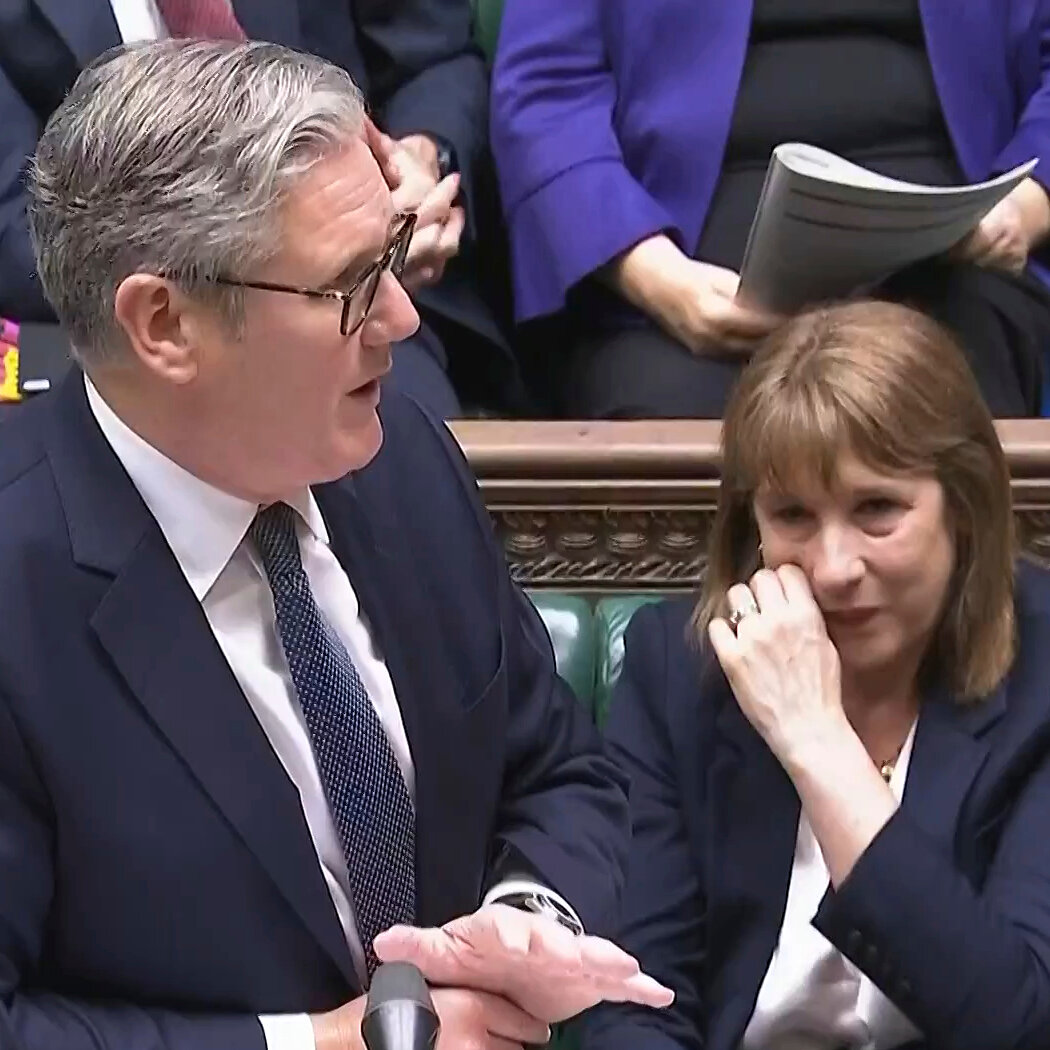
In a recent session of the British Parliament, a scene that captured the attention and concern of many unfolded. Rachel Reeves, the Chancellor of the Exchequer in the United Kingdom, appeared visibly distressed, an unusual display of emotion that highlighted the intense pressures and challenges facing the British government. This incident occurred during a session where questions were directed towards the Prime Minister about Reeves’ position and policy implementations, signaling underlying tensions within the government.
Rachel Reeves, a key figure in the current UK administration, has been at the forefront of managing the nation’s finances in a time marked by economic turbulence. The Chancellor’s role, pivotal in steering economic policy, involves making decisions that can impact everything from inflation rates to public spending. The emotional response from Reeves, therefore, raises questions about the internal dynamics of the government and the personal toll that high-stakes governance can exact on its leaders.
The repercussions of this moment were immediately evident in the financial markets. Following the parliamentary session, the British pound and government bonds experienced a notable decline in value. This financial dip can be seen as a direct reflection of investors’ and market participants’ reactions to potential instability or uncertainty in the government’s economic leadership and policies. When political leaders show signs of distress, it often shakes confidence in their ability to manage economic policies effectively, which in turn can lead to decreased investor confidence and negative market reactions.
The decline in the value of the pound and government bonds is particularly significant, as it not only affects the international exchange rates but also has broader implications for the UK economy. A weaker pound can increase the cost of imports, contributing to inflationary pressures, while a drop in bond prices can increase government borrowing costs, affecting public finances and economic stability. This scenario underscores how political events and perceptions can have immediate and profound effects on a nation’s economic health.
Moreover, the emotional display by Reeves and the subsequent economic fallout highlight the interconnectedness of politics and economics. The health of the economy is often seen as a direct reflection of the political stability and effectiveness of the government. As such, moments of perceived weakness or conflict within the government can lead to uncertainty that affects both the markets and the overall economic outlook.
This incident also brings attention to the personal pressures faced by politicians, particularly in roles that involve significant national and international responsibilities. The public and emotional response by Rachel Reeves may foster discussions about the support systems in place for political leaders and the personal resilience required to manage such high-pressure roles.
As the UK continues to navigate through economic challenges, the stability and unity of its government are crucial. The incident involving Rachel Reeves in Parliament serves as a reminder of the delicate balance between personal capacity and public expectation, the psychological burdens of leadership, and the profound impact political stability has on economic performance.
For more detailed coverage on this event, visit the original New York Times article at:
https://www.nytimes.com/2025/07/02/world/europe/rachel-reeves-uk-keir-starmer.html