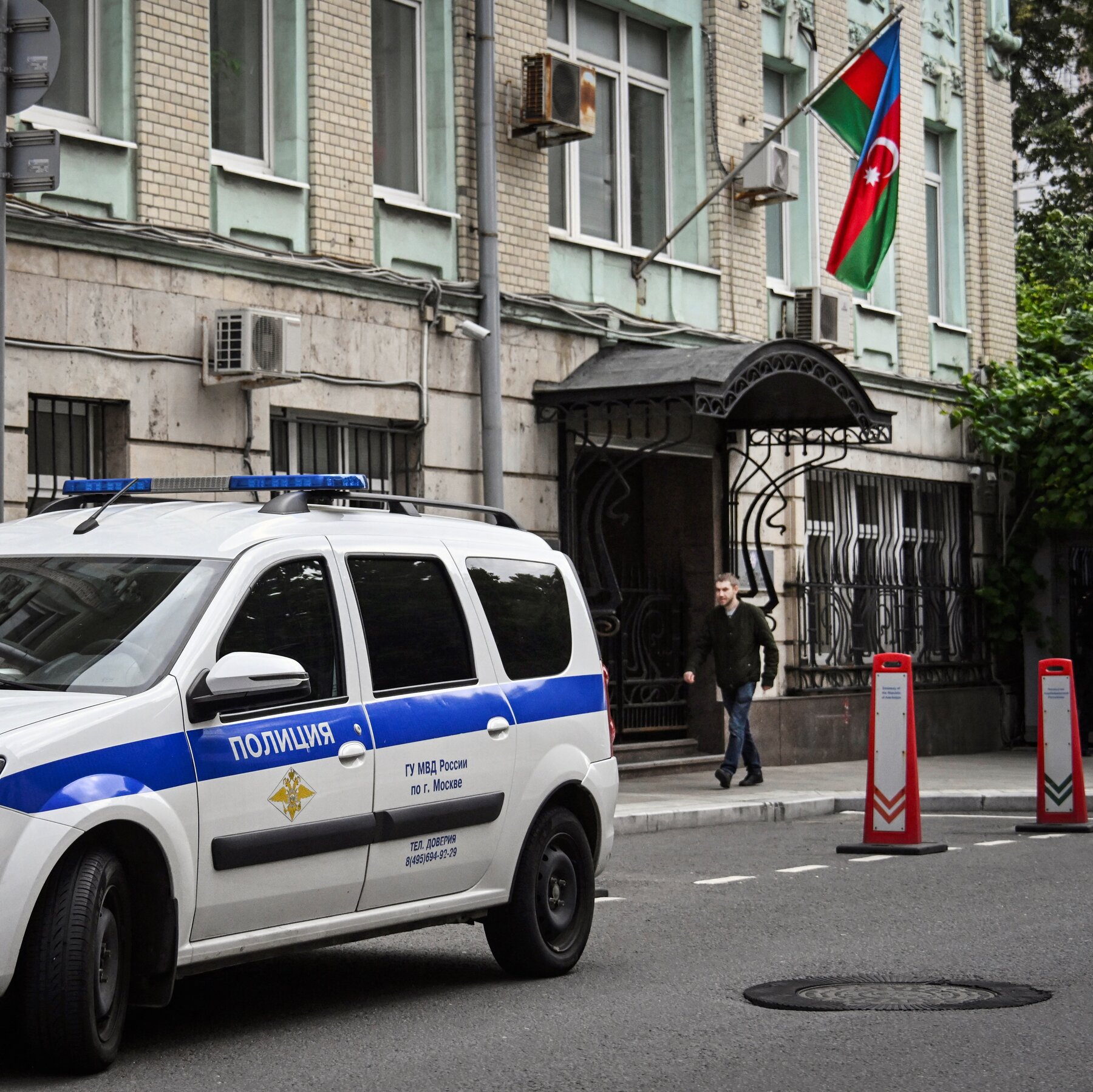
In a recent and alarming development, the relationship between Russia and Azerbaijan has been severely strained following the deaths of two ethnic Azerbaijanis while in Russian custody. This incident is not an isolated one but rather the latest in a series of disputes that have surfaced over time, revealing a growing diplomatic rift between the two nations, which were once considered allies.
The deaths occurred under circumstances that have raised concerns and prompted outrage among the Azerbaijani community and international observers alike. The specifics of the incident, including how the individuals were treated while detained and the conditions that led to their deaths, have been a focal point of the controversy. Such events are particularly sensitive as they touch upon issues of human rights and the treatment of ethnic minorities, topics that are closely monitored by global watchdogs.
Historically, Russia and Azerbaijan have shared a complex relationship. During the Soviet era, Azerbaijan was part of the USSR, and the two countries have maintained various levels of cooperation and conflict since Azerbaijan gained independence in 1991. Economic ties, particularly in the oil and gas sectors, have been significant, yet fraught with disagreements over pricing, pipelines, and territorial issues. Moreover, the ethnic and political dynamics in the Caucasus region, where both countries are located, add layers of complexity to their interactions.
The recent incident has potential implications far beyond the immediate diplomatic spat. It could affect several areas of mutual interest such as energy cooperation, security arrangements, and economic agreements. Russia, being a major player on the global stage, and Azerbaijan, a significant oil producer, both have much to lose if tensions escalate into more serious confrontations.
Furthermore, the treatment of ethnic minorities and the adherence to human rights norms are pivotal in maintaining international relations. Incidents like these could draw criticism from international bodies and human rights organizations, potentially leading to sanctions or other diplomatic actions. This, in turn, could influence how other countries in the region interact with Russia and Azerbaijan, possibly altering the geopolitical landscape of Eastern Europe and Central Asia.
In response to the incident, there are calls from various quarters for a thorough investigation and transparency from the Russian authorities. The Azerbaijani government has demanded answers and assurances that the rights of their nationals are respected when they are within Russian jurisdiction. At the same time, there is a palpable tension within Azerbaijan, where public sentiment is increasingly wary of the Russian approach to law and order, particularly concerning ethnic Azerbaijanis.
This situation underscores the delicate balance required in international relations, where cultural sensitivities, historical ties, and current geopolitical interests are all interwoven. The outcome of this particular dispute will likely have lasting effects on the diplomatic landscape between Russia and Azerbaijan. It serves as a reminder of the challenges that arise when managing international relations in a region marked by diverse ethnic groups and complex historical grievances.
As both nations navigate this difficult period, the international community watches closely, hoping for a resolution that respects human rights and strengthens, rather than undermines, the bonds between these two historically interconnected nations.
For further details, you can read the original report on this incident at the New York Times: [https://www.nytimes.com/2025/07/02/world/europe/russia-azerbaijan-tensions-safarov.html](https://www.nytimes.com/2025/07/02/world/europe/russia-azerbaijan-tensions-safarov.html).