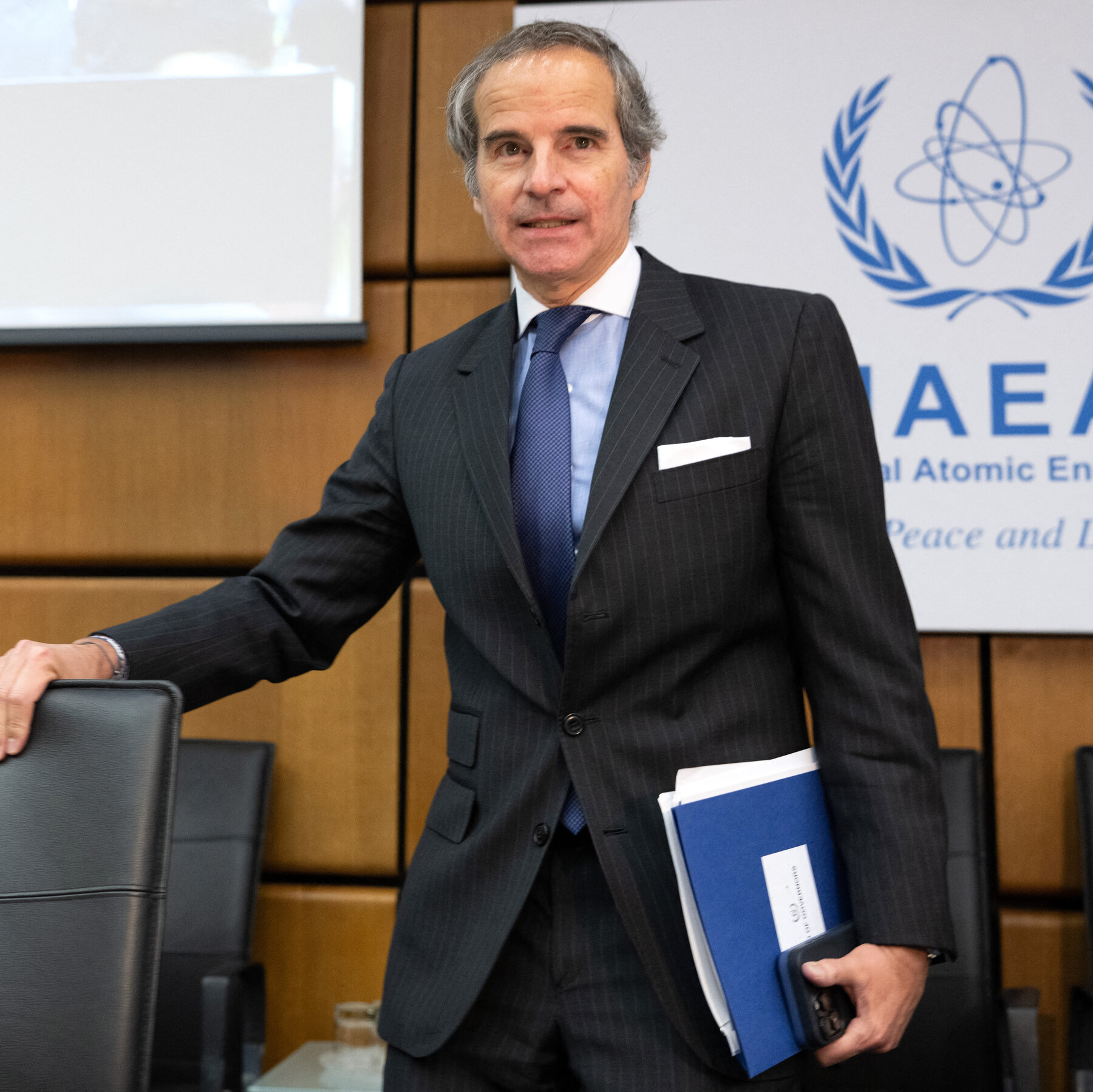
In a significant development that could have far-reaching implications for global security, Iran has recently decided to restrict access to its nuclear sites by international inspectors. This decision casts a shadow over the transparency of Iran’s nuclear activities and fuels concerns about the potential revival of its plans to develop nuclear weapons.
For years, the international community, particularly countries involved in the 2015 nuclear agreement with Iran, has relied on the International Atomic Energy Agency (IAEA) to monitor Tehran’s nuclear program. The IAEA plays a crucial role in ensuring that Iran’s nuclear activities are for peaceful purposes as per the terms of the agreement. However, Iran’s new policy of limiting inspector access raises serious doubts about its intentions and compliance with international norms.
This development comes at a time when the geopolitical landscape of the Middle East is particularly volatile. Iran’s decision might be interpreted as a response to international pressures or as a strategic move in its regional power calculations. The restriction on inspector access deprives the IAEA and, by extension, the world, of critical visibility into Iran’s nuclear activities. Without this oversight, the international community is left in the dark about the nature and progress of Iran’s nuclear program.
Experts are sounding alarms, suggesting that the lack of oversight could pave the way for Iran to potentially revive plans to develop nuclear weapons. Such a move could escalate tensions in an already tense region and could trigger a new arms race. The implications of Iran possessing nuclear weapons are profound, affecting not just regional security but global peace as well.
The international response to this development has been one of concern and calls for diplomatic engagement. Many world leaders and international bodies have emphasized the need for dialogue and have urged Iran to reconsider its decision. The goal is to bring Iran back to a more transparent interaction with international norms and to ensure that its nuclear program remains peaceful.
Furthermore, this situation underscores the importance of international nuclear agreements and the mechanisms for their enforcement. The effectiveness of such agreements is predicated on transparency and compliance, which are now at risk with Iran’s recent policy shift.
As the situation develops, it will be critical for international stakeholders to monitor any further changes in Iran’s nuclear policy and to engage diplomatically to mitigate risks. The international community must also consider broader strategies for dealing with potential non-compliance by states concerning nuclear proliferation norms.
The consequences of Iran’s decision to restrict inspector access are potentially grave, highlighting the delicate balance of international relations and the constant need for vigilance in the pursuit of global security.
For more detailed information, you can view the original article on The New York Times website here: [Iran and International Inspectors](https://www.nytimes.com/2025/07/02/world/middleeast/iran-nuclear-iaea.html).