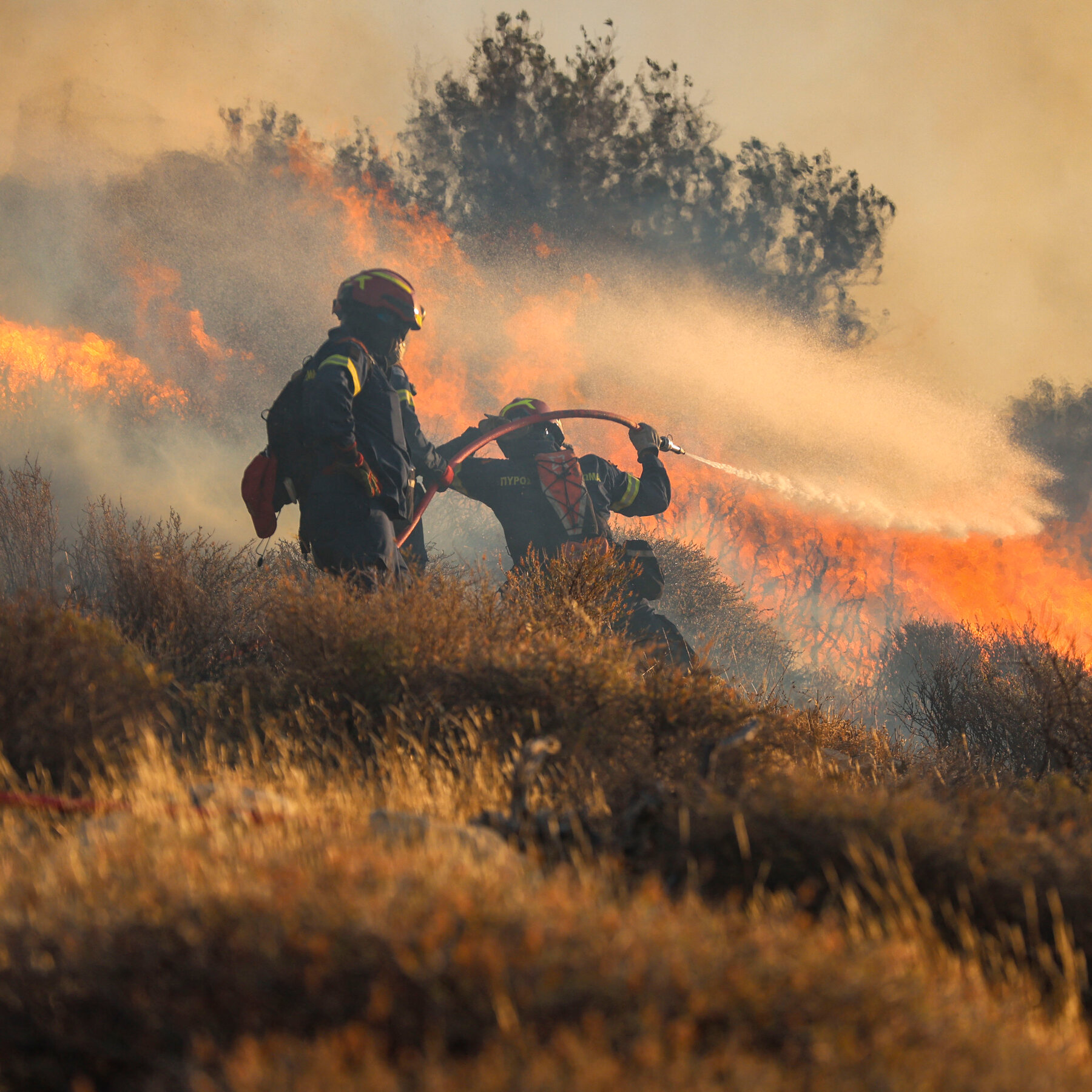
In a dramatic turn of events on the idyllic island of Crete, more than 1,500 people, predominantly tourists, were evacuated as a wildfire raged near the southeastern tip of the island. This incident not only underscores the growing concerns over climate-induced wildfires but also highlights the increasing vulnerability of tourist destinations to such natural disasters.
The fire erupted suddenly, fanned by strong winds, leading to an urgent and extensive evacuation operation. Local emergency services, including firefighters and first responders, were swiftly mobilized to combat the flames and assist in evacuations. Tourists at nearby resorts and local inhabitants were whisked away to safer areas as plumes of smoke cast a pall over the scenic landscapes of Crete.
The southeastern tip of Crete, known for its picturesque beaches and vibrant local culture, is a popular destination for both international and domestic tourists. The sudden outbreak of fire has put a temporary halt to the tranquil life and bustling tourist activities in the area. Hotels and other accommodations were quickly evacuated, with emergency shelters being set up to house those displaced by the disaster.
The Greek authorities have been actively working to manage the situation, with firefighting teams deploying both ground and aerial tactics to contain the fire. Helicopters and planes have been used to drop water on the flames in an attempt to prevent the spread of the fire to densely populated areas and critical infrastructure. Despite these efforts, the rugged terrain and strong winds have posed significant challenges, complicating the firefighting operations.
This incident is a stark reminder of the increasing incidence of wildfires across the Mediterranean, exacerbated by climate change and rising temperatures. Greece, like many of its neighboring countries in the region, has been experiencing a higher frequency of such fires in recent years, prompting greater scrutiny on environmental policies and disaster preparedness strategies.
Tourism, a vital sector for Greece’s economy, especially on islands such as Crete, is particularly susceptible to the impacts of such natural disasters. The local economy depends heavily on the influx of tourists, and incidents like these can have a lasting impact on tourist perceptions and future travel plans. Recovery and rehabilitation of the affected areas will be a priority for local authorities to ensure the continuity of tourism and safeguarding of the natural and cultural heritage.
The broader implications of such wildfires are also significant in terms of environmental damage and biodiversity loss. The flora and fauna of Crete, much like other parts of the Mediterranean, are adapted to dry conditions but are increasingly threatened by the intensity and frequency of wildfires.
As the situation in Crete continues to evolve, the focus remains on controlling the blaze and ensuring the safety of all residents and visitors. The resilience of the local communities and the response by emergency services will be crucial in overcoming this challenge. Meanwhile, environmental experts and policymakers must address the root causes of these fires to prevent future occurrences and protect the delicate balance of these cherished ecosystems.
For more information, please visit [The New York Times](https://www.nytimes.com/2025/07/04/world/europe/greece-crete-wildfires-tourism.html).