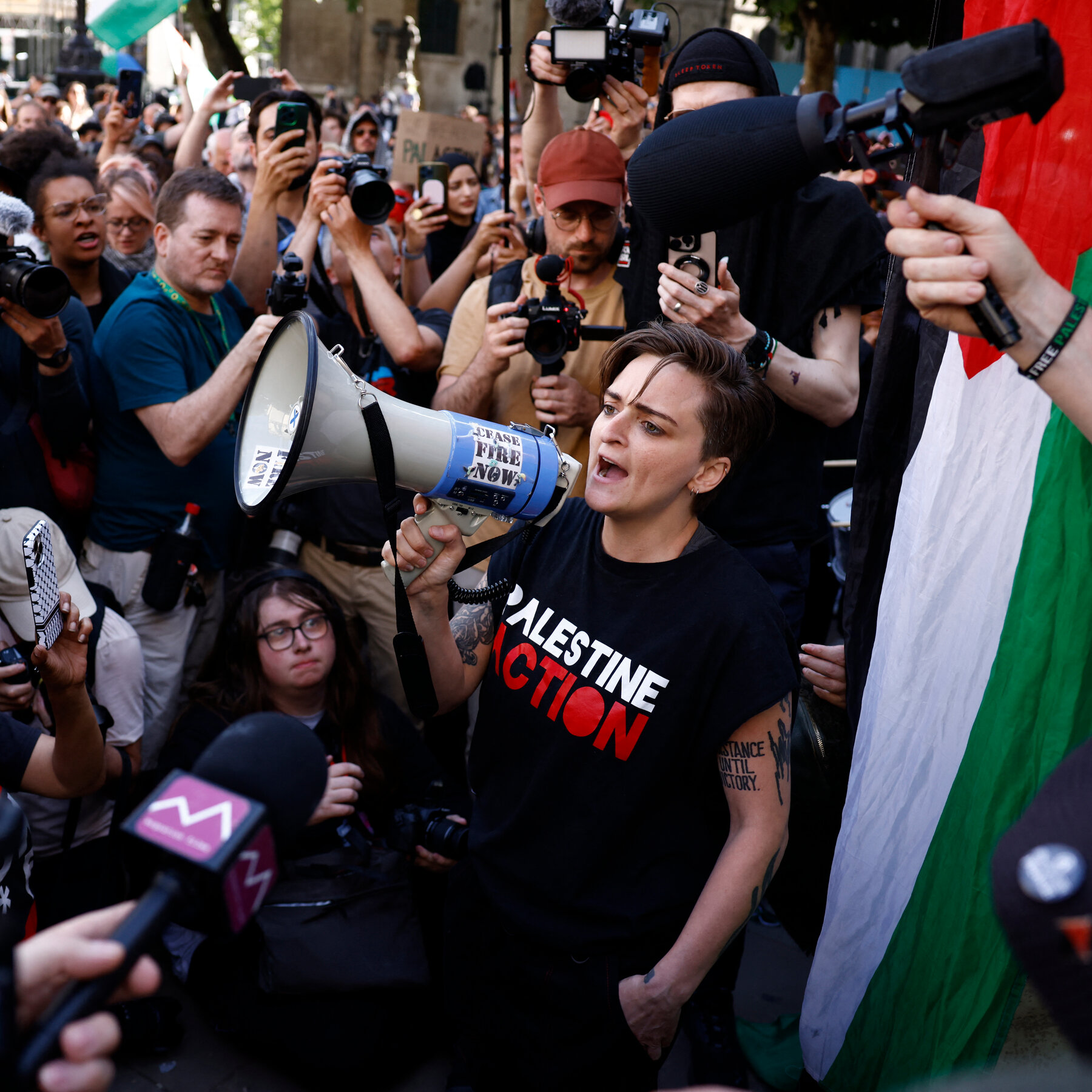
In a significant legal development, the United Kingdom has upheld the decision to classify the Palestine Action group as a terrorist organization, pending a comprehensive legal challenge from the group itself. This decision marks a pivotal moment in the UK’s ongoing efforts to address what it perceives as threats to national security, while also stirring debates about freedom of speech and the right to protest.
Palestine Action has been known for its vocal and sometimes disruptive protests against Israeli military actions and policies. The group’s activities have frequently drawn attention to what they deem as unjust practices towards Palestinians. However, their methods, which have included the occupation of factory buildings and offices believed to be linked to the Israeli defense infrastructure, have led to numerous arrests and legal confrontations.
The recent court ruling came after the Home Office declared Palestine Action a terrorist organization under laws that target groups believed to be involved in terrorism. This designation makes membership in or support for the group a criminal offense, potentially leading to significant legal repercussions for those associated with it.
The decision to maintain the ban during the group’s legal challenge was based on assessments by security agencies that suggested that the activities of Palestine Action could incite further violence and disrupt public order. The ruling has, however, faced criticism from human rights organizations and advocacy groups who argue that this is a severe clampdown on peaceful protest and free expression. They contend that the actions taken by Palestine Action, while provocative, do not constitute terrorism.
Legal experts have pointed out that the definition of terrorism is complex and often subject to broad interpretation. In the UK, terrorism is defined as the use or threat of action designed to influence the government or an international governmental organization or to intimidate the public or a section of the public, for the purpose of advancing a political, religious, racial, or ideological cause. Critics of the ban argue that this definition can be too widely applied, potentially encompassing activities that do not involve harm to people or property.
The implications of this decision are far-reaching. If the legal challenge by Palestine Action fails, this could set a precedent for how similar groups are treated under UK law in the future. It raises important questions about where the line is drawn between legitimate political protest and actions that genuinely threaten public safety and order.
Supporters of the ban argue that the government has a duty to protect its citizens and maintain public order, and that Palestine Action’s tactics have crossed the line from peaceful protest to acts that could potentially aid in terrorist activities. They assert that the safety of the public and the protection of national security must be the priority.
As the legal proceedings continue, this case will likely become a touchstone in debates over national security versus civil liberties in the UK. It underscores the delicate balance governments must maintain in a world where acts of protest are increasingly global and interconnected, and where the definitions of terrorism and free speech are continuously evolving.
For more details on this developing story, visit the original article from The New York Times: [https://www.nytimes.com/2025/07/04/world/europe/palestine-action-loses-appeal-ban-terrorist.html](https://www.nytimes.com/2025/07/04/world/europe/palestine-action-loses-appeal-ban-terrorist.html).