From TV Chef to Front-Line Cook: Serving Borscht in Ukraine’s Trenches

When Russia invaded Ukraine in 2022, lives across the country were turned upside down. Among those whose lives took an unexpected turn was a chef who had once graced television screens, charming audiences and judges alike with his culinary skills. Known for his exceptional borscht—a beet soup that is a staple in Eastern European cuisine—this chef traded the bright lights of the TV studio for the stark reality of military life, serving his signature dish not to discerning judges, but to soldiers on the front lines.

Before the war, the chef’s journey was one marked by creativity and passion. He had made a name for himself in the culinary world, showcasing his skills on a popular cooking show where his borscht was often the star of the episode. His unique take on traditional recipes, combined with his charismatic presentation style, made him a favorite among viewers. However, the outbreak of the conflict brought a drastic change to his career trajectory.

As the war began, the chef felt a compelling duty to support his country in any capacity he could. With cooking being his greatest skill, he decided to join the army, not as a combatant, but as a cook. Transitioning from cooking in a well-equipped studio to making meals in a makeshift kitchen near the front lines was challenging. The conditions were harsh, and resources were often limited, but the chef adapted quickly, driven by a desire to boost the morale of those fighting for their country.

In the trenches, the chef’s borscht became more than just a meal; it symbolized home and comfort for the troops. Using locally sourced ingredients, he managed to recreate the rich, earthy flavors of the soup, reminding soldiers of the peaceful times with their families. Cooking in such dire conditions, the chef had to innovate, sometimes substituting ingredients and tweaking traditional methods to suit his new environment. Yet, his commitment to providing a semblance of normalcy and comfort through his food never wavered.

The impact of his work extends beyond just nourishing the body. In times of war, the psychological comfort that familiar tastes and smells bring can be incredibly powerful. For many soldiers, the chef’s borscht offers a momentary escape from the realities of war, evoking memories of family dinners and celebrations back home. His presence and dedication have made him a beloved figure among the troops, with many looking forward to his comforting meals.

This transformation from a TV chef to a military cook highlights a broader story of resilience and adaptability. It underscores the diverse ways in which individuals contribute to war efforts, using their unique skills to make a difference. The chef’s story is a poignant reminder of the personal sacrifices and daily acts of heroism that occur in times of conflict, often away from the limelight.

As the war continues, the chef remains committed to his new role, finding purpose in the smiles and thanks he receives from grateful soldiers. His story is not just about the transition from a television set to a battlefield kitchen; it’s about the power of food to bring comfort, to heal, and to unite people even in the most trying of times.

Source: https://www.nytimes.com/2025/07/04/world/europe/ukraine-war-front-line-chef-food.html
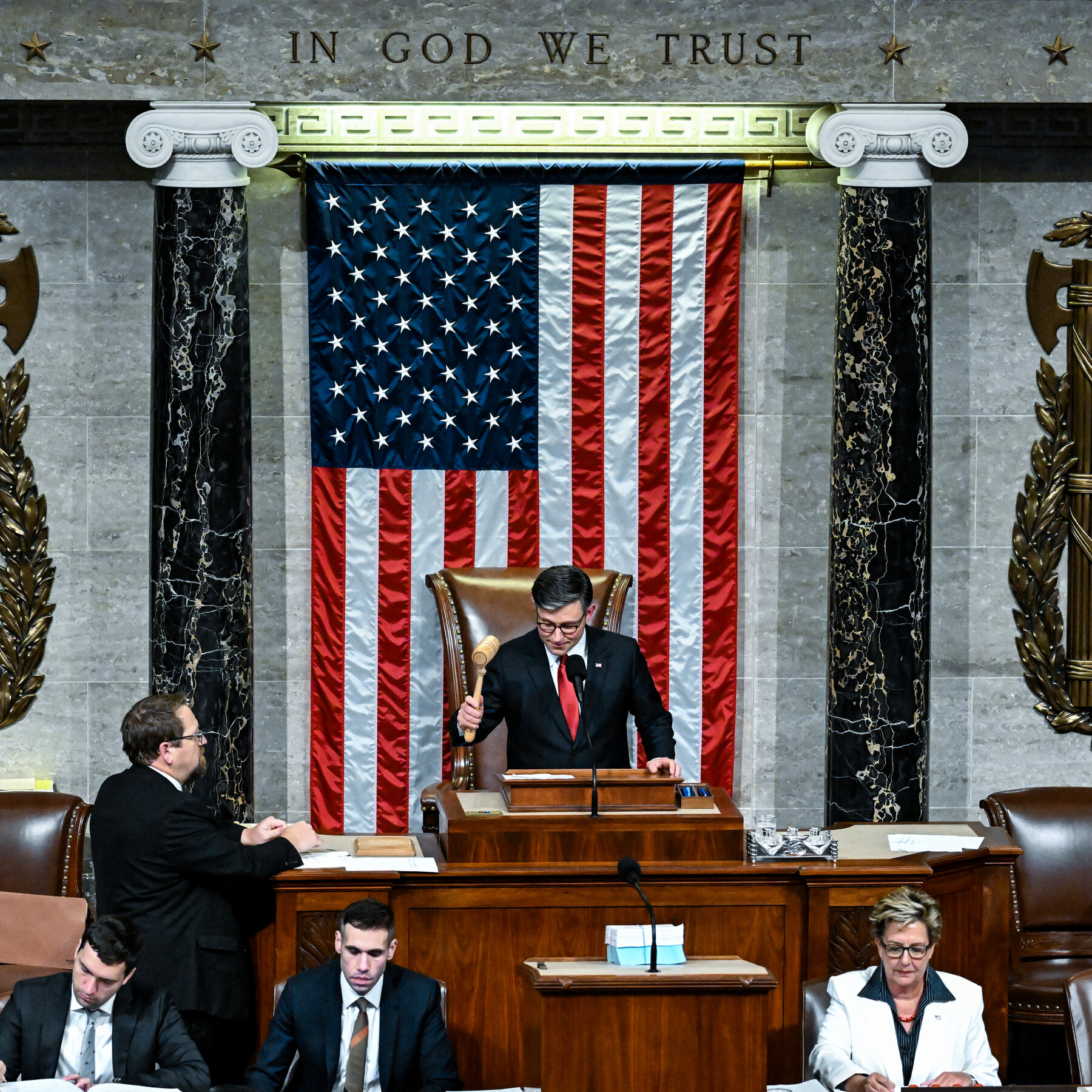
China Opta por el Silencio Sobre la Seguridad de sus Inversiones en Deuda de EE.UU.

En el escenario económico global, las relaciones entre China y Estados Unidos continúan siendo un tema de interés constante, especialmente en lo que respecta a las finanzas y la inversión. Históricamente, Beijing ha sido vocal respecto a la seguridad de sus inversiones en los bonos del Tesoro de Estados Unidos, una cuestión de no menor importancia dada la magnitud de estas inversiones. Sin embargo, en un giro reciente y notable, China parece haber optado por mantener un perfil bajo y no emitir advertencias públicas sobre este tema crítico.

Este cambio de estrategia podría estar influenciado por varios factores, tanto políticos como económicos. Primero, es crucial entender el contexto de las inversiones chinas en deuda estadounidense. China es uno de los mayores tenedores extranjeros de deuda del gobierno de los Estados Unidos, una posición que le otorga una considerable influencia y exposición en la economía global. Las advertencias anteriores de Beijing sobre la seguridad de estas inversiones solían ser interpretadas como señales de preocupación o respuestas a tensiones políticas específicas entre las dos superpotencias.

Sin embargo, el silencio actual podría estar relacionado con un cambio en la diplomacia económica y una posible reevaluación de las tácticas en su interacción con Estados Unidos. Este silencio puede ser una estrategia deliberada para evitar escalar tensiones o influir negativamente en los mercados financieros, que son increíblemente sensibles a cualquier indicio de inestabilidad o conflictos entre estas dos economías dominantes. Además, podría reflejar un reconocimiento por parte de China de que mantener un bajo perfil puede ser más beneficioso para sus intereses a largo plazo, especialmente en un momento en que las relaciones entre ambas naciones están particularmente tensas.

Otro aspecto a considerar es el estado actual de la economía global, que enfrenta múltiples desafíos, desde la inflación hasta la incertidumbre política en diversas regiones. En este contexto, cualquier declaración abrupta o alarmante de China sobre sus inversiones en Estados Unidos podría generar reacciones adversas en los mercados globales, afectando no solo a Estados Unidos sino también a la propia China y a la economía mundial en general.

Además, la diplomacia y la estrategia económica de China pueden estar evolucionando hacia un enfoque más cauto y calculado, prefiriendo las negociaciones y comunicaciones cerradas en lugar de declaraciones públicas que podrían ser vistas como confrontativas o provocativas. Esta táctica también puede ser parte de un esfuerzo más amplio por parte de Beijing para mejorar su imagen a nivel global, presentándose como un actor racional y estable en el escenario internacional.

En conclusión, mientras que Beijing ha decidido esta vez mantenerse silencioso sobre la seguridad de sus inversiones en la deuda estadounidense, este no es un simple acto de omisión. Es una decisión estratégica que probablemente refleja un enfoque más maduro y calculador hacia sus relaciones económicas y diplomáticas con Estados Unidos. Cómo se desarrollará esta estrategia y cuáles serán sus efectos a largo plazo en las relaciones bilaterales y en la economía global, solo el tiempo lo dirá.

Referencia original del artículo: [The New York Times](https://www.nytimes.com/2025/07/04/world/asia/trump-bill-debt-china.html)

From War Zones to British Screens: The Remarkable Journey of a Veteran Journalist

Throughout the tumultuous regions of Vietnam, Africa, and the Middle East, one journalist’s career was built on the foundation of intrepid reporting and a relentless pursuit of truth. This fearless journalist, who later became a familiar face on British television, epitomizes the transformation from a war correspondent to a beloved news presenter, a journey that reflects not only personal resilience but also the evolving landscape of journalism.

Starting his career in the dense jungles and chaotic streets of Vietnam during the war, this journalist’s early days were marked by the sounds of gunfire and the harsh realities of conflict. His reports from Vietnam were more than just news; they were vivid portrayals of human resilience and the complexities of war. His storytelling ability, combined with a profound understanding of the geopolitical landscape, made his dispatches indispensable for understanding the conflict.

After Vietnam, his career took him to Africa, where he covered stories ranging from political upheavals to humanitarian crises. In Africa, his journalism was characterized by a deep commitment to uncovering the underlying causes of conflicts and the impact on the civilian population. His reports helped to bring international attention to crises, influencing public opinion and sometimes policy.

The Middle East was his next station, a region rife with historical and political complexities. Here, he navigated through different countries, each with its own narrative of conflict and peace. His reporting from the Middle East was pivotal in providing nuanced perspectives on issues like the Israeli-Palestinian conflict, the Iran-Iraq war, and the Gulf War. His ability to explain intricate political dynamics in accessible language made his work invaluable to an international audience.

Transitioning from a war correspondent to a news presenter on British television, he brought with him a wealth of experience and a unique perspective on global affairs. His transition was not just a change of job but a shift in role from being at the front lines to interpreting global events for a British audience. As a news presenter, he maintained his commitment to journalistic integrity and continued to influence through his insightful analysis and authoritative delivery.

His legacy as a journalist is marked by his courage to report from some of the world’s most dangerous places and his ability to adapt to the changing media landscape. His career offers valuable insights into the role of journalists in shaping public discourse and the importance of robust journalism in sustaining democratic societies.

In conclusion, the journey from the front lines of global hotspots to the digital screens of British homes is a testament to the enduring power of journalism and the personal tenacity of a man who never stopped seeking the truth. As we remember his contributions, it’s clear that his impact on journalism and public understanding of international affairs will be long remembered.

For more details, visit the original article at [The New York Times](https://www.nytimes.com/2025/07/03/business/media/sandy-gall-dead.html).

Manila Declares State of Emergency Over Unresolved Garbage Crisis

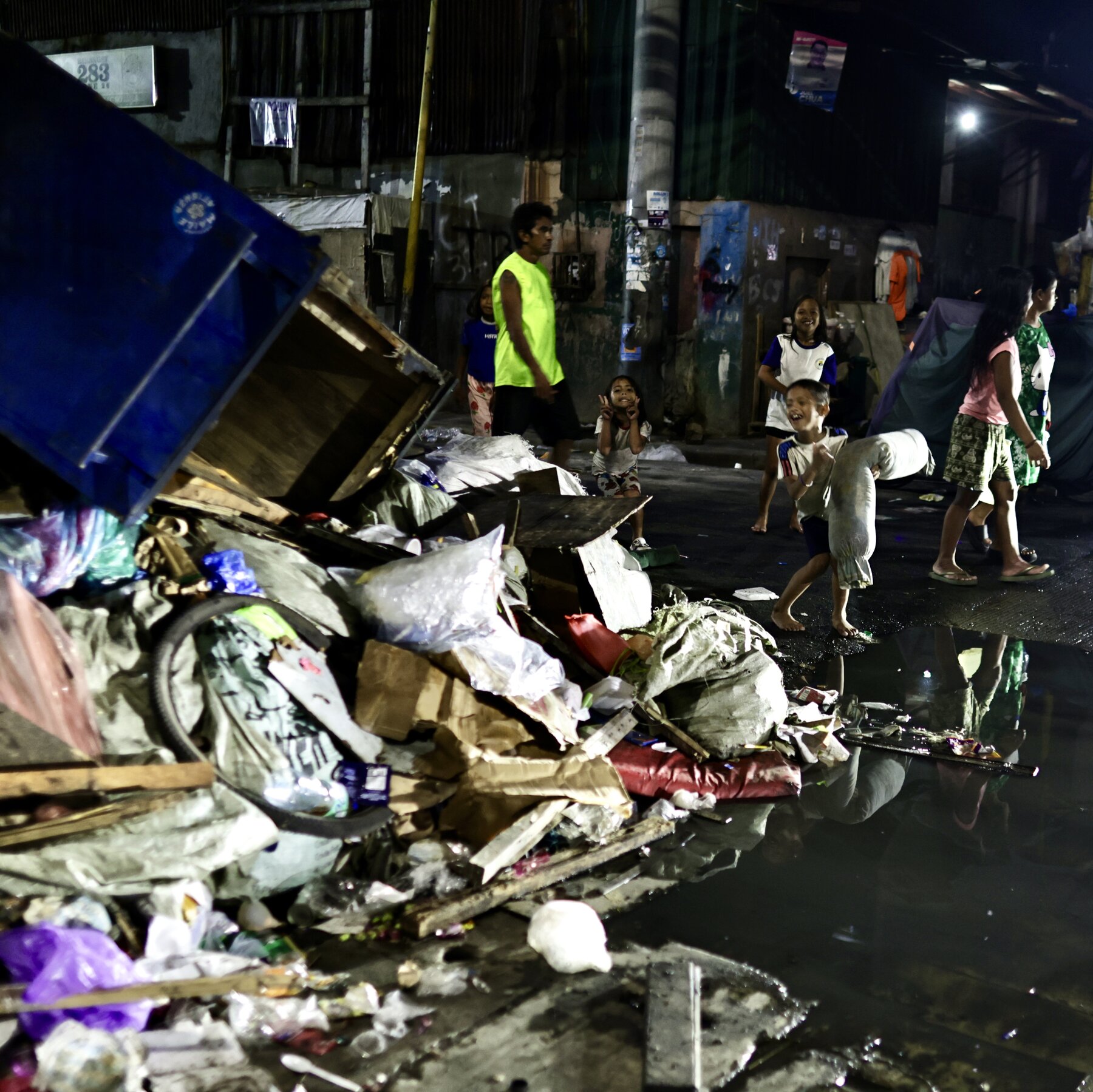
The bustling city of Manila, known for its vibrant culture and dense population, is currently facing a severe environmental and public health crisis. Mayor Francisco Domagoso has officially declared a state of emergency due to the accumulation of uncollected garbage throughout the city. This drastic measure comes after local garbage contractors ceased their collection services, citing non-payment for their services as the reason for their inaction.

The issue began to surface weeks ago when residents of Manila started noticing increasing piles of waste on the streets. These mounds of garbage not only marred the city’s beauty but also posed significant health risks. The situation quickly escalated as more areas reported similar problems, with no immediate solutions in sight.

Investigations into the matter revealed that the contractors responsible for waste management in the capital had not received their due payments. This financial dispute has led to a halt in their operations, directly impacting the city’s sanitation services. The cessation of garbage collection has exacerbated the situation, leading to widespread public concern over the potential for increased vermin and disease.

In response to the crisis, Mayor Domagoso took decisive action by declaring a state of emergency. This legal declaration is aimed at mobilizing resources and funds swiftly to address the garbage accumulation. It also gives the city government the authority to implement emergency measures and seek immediate solutions to manage the waste crisis effectively.

The declaration of a state of emergency is a clear indicator of the severity of the situation and the urgency with which it needs to be addressed. The local government is now in the process of negotiating with the contractors to resolve the payment issues. Additionally, alternative measures such as hiring temporary waste collection services or deploying city workers to collect trash are being considered to alleviate the immediate problem.

Public health officials have also been alerted and are closely monitoring the situation to prevent any outbreak of diseases associated with poor sanitation. They are working in conjunction with community leaders to educate the public on maintaining hygiene and preventing disease spread in their locales.

The citizens of Manila are urged to cooperate with the authorities during this crisis. This includes adhering to waste disposal guidelines more strictly and reducing waste generation until the situation is under control. Community participation is crucial in managing such environmental and health crises effectively.

This garbage crisis in Manila highlights the critical importance of efficient and reliable public services, especially in densely populated urban areas. It also serves as a reminder of the interdependencies within urban management, where a breakdown in one sector can lead to widespread disruption.

As the city tackles this pressing issue, the resolution of this crisis will likely serve as a case study for other cities facing similar challenges. The effectiveness of the emergency measures taken by Mayor Domagoso’s administration will be closely watched by urban management professionals globally.

For more detailed coverage on this developing story, please visit the original article on The New York Times: [https://www.nytimes.com/2025/07/04/world/asia/manila-mayor-philippines-garbage.html](https://www.nytimes.com/2025/07/04/world/asia/manila-mayor-philippines-garbage.html).

Explorando el Silencio: Un Relato Personal de la Competencia «Space Out» en Seúl

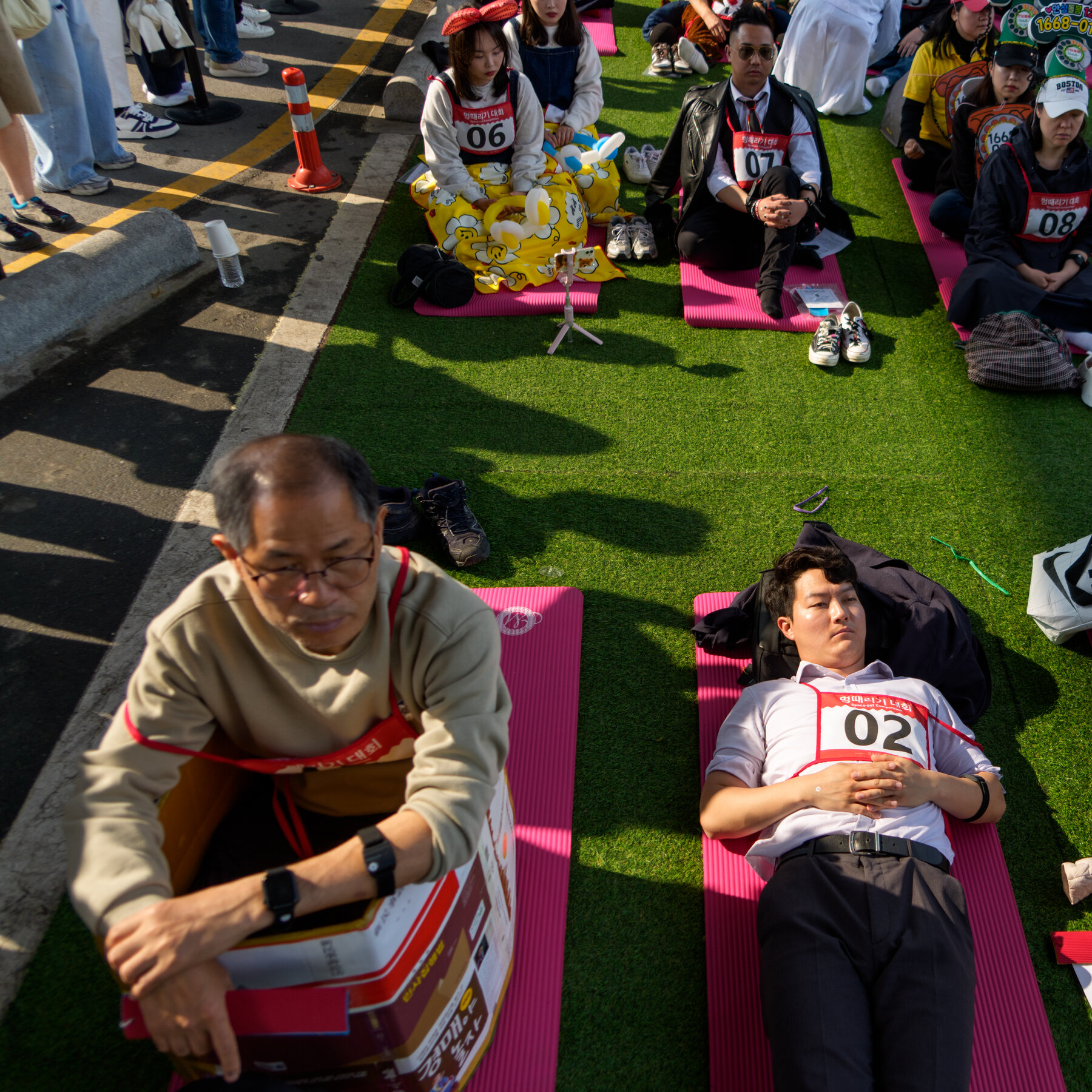
En una era donde la hiperconectividad y el constante bombardeo de información son la norma, encontrar momentos de tranquilidad parece más un lujo que una necesidad básica. Sin embargo, en Seúl, Corea del Sur, un evento único en su tipo ofrece exactamente eso: un oasis de calma en medio del caos urbano. Se trata de la competencia «Space Out», un torneo que desafía a los participantes a desconectarse completamente del mundo exterior y entrar en un estado de vacío mental durante 90 minutos. Mi experiencia en este inusual concurso fue tanto más desafiante como más extraña de lo que había anticipado.

La competencia «Space Out», que se lleva a cabo anualmente en Seúl, invita a personas de todos los ámbitos de la vida a sentarse juntas en un espacio público, generalmente un parque o una plaza, y literalmente no hacer nada. No se permite el uso de teléfonos móviles, libros, papeles, ni cualquier forma de comunicación o distracción. El objetivo es simple y complejo a la vez: vaciar la mente y ralentizar el ritmo cardíaco, sumergiéndose en una profunda meditación o en un estado de reposo mental.

Al llegar al evento, el ambiente era de una calma expectante. Participantes de diversas edades y profesiones se reunían, cada uno buscando un respiro de sus vidas frenéticas. La organización del evento había dispuesto sillas en filas, todas orientadas hacia un escenario sutil, donde los jueces y los organizadores observaban y monitoreaban el progreso de los competidores.

El inicio de la competencia fue señalado por un suave gong. De repente, el silencio se apoderó del lugar. Al principio, mantener la mente en blanco fue una tarea desafiante. Los sonidos del entorno, desde el murmullo de la brisa hasta el distante ruido de tráfico, constantemente intentaban infiltrarse en mis pensamientos. Además, el esfuerzo consciente por no pensar en nada paradójicamente llenaba la mente de más pensamientos.

A medida que pasaban los minutos, sin embargo, comencé a notar un cambio. Mi respiración se hacía más profunda y pausada, y los sonidos externos empezaban a desvanecerse en el fondo. Observé que algunos participantes se sumían en lo que parecía ser un estado de semi-sueño, mientras que otros mantenían una postura de alerta relajada.

Los organizadores del evento explicaron que la competencia no solo busca promover la desaceleración y la introspección, sino que también sirve como un estudio social sobre el estrés y el ritmo de vida en las ciudades modernas. En un mundo donde el «estar ocupado» a menudo se equipara con ser productivo o exitoso, eventos como el «Space Out» desafían estas nociones, promoviendo la importancia de la pausa y el espacio mental.

Al final de los 90 minutos, me sentí sorprendentemente rejuvenecido. Aunque no gané la competencia, la experiencia me ofreció una perspectiva valiosa sobre la importancia de tomar descansos conscientes y la dificultad inherente de simplemente «ser» en el presente sin la constante interacción con la tecnología o los medios.

Este peculiar concurso en Seúl es un recordatorio de que, en nuestro mundo acelerado, a veces lo más revolucionario que podemos hacer es nada en absoluto. Para aquellos interesados en experiencias que desafían las percepciones habituales de tiempo y productividad, la competencia «Space Out» ofrece una ventana intrigante a la tranquilidad y al autoconocimiento.

Para más información sobre este fascinante evento, visita [este enlace](https://www.nytimes.com/2025/07/04/world/asia/space-out-competition-seoul.html).

Innovative DNA Techniques Used to Identify Vietnamese Soldiers Before Funding Cuts

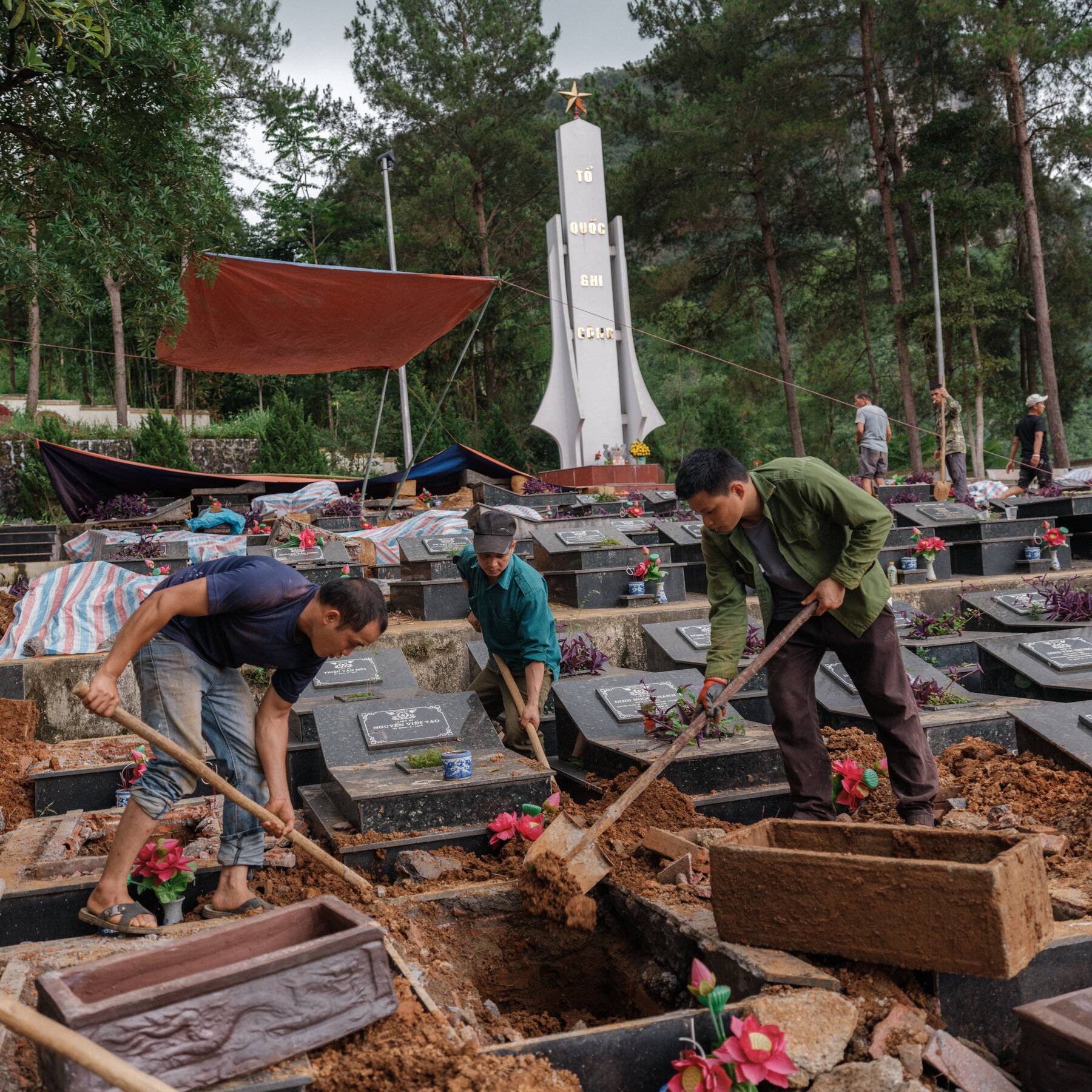
In a quiet cemetery in northern Vietnam, a profound and sensitive mission is underway, aiming to bring closure to families still haunted by the echoes of war. Here, scientists are racing against time, employing advanced DNA analysis techniques to identify Vietnamese soldiers who perished during the Vietnam War. This initiative, however, faces imminent jeopardy as funding from the United States Agency for International Development (U.S.A.I.D.) is set to be discontinued.

The Vietnam War, a protracted conflict that spanned from 1955 to 1975, left a deep and indelible mark on Vietnam. Among the war’s most lasting legacies is the unknown fate of thousands of Vietnamese soldiers whose remains were never identified. For decades, these soldiers have been interred in various cemeteries across the country, their identities reduced to mere numbers or, in some cases, left entirely unmarked.

The project, led by Damien Cave, the Vietnam bureau chief for The New York Times, showcases the painstaking efforts of a dedicated team of local and international scientists. Their goal is not only to identify these soldiers but also to reconnect them with their surviving relatives, providing families with the long-sought solace of knowing the fate of their loved ones.

The process of identifying the remains of the soldiers is meticulous and technologically intensive. Scientists extract DNA from bone fragments, which are often degraded due to the passage of time and the tropical climate of Vietnam. These DNA samples are then analyzed and compared to genetic material provided by living relatives of the missing soldiers. When a match is found, it confirms the identity of the soldier, allowing for a proper and personalized memorial.

This noble effort, however, is clouded by uncertainty due to the impending withdrawal of financial support from U.S.A.I.D. The agency has been a crucial source of funding for this project, but recent decisions to cut funding threaten to halt these identification efforts prematurely. The reasons behind the funding cuts are not entirely clear, but they pose a significant challenge to the continuation of this important work.

The implications of these cuts extend beyond the scientific community. For the families of the missing soldiers, the discontinuation of the project means the possible permanence of uncertainty and grief. The identification process provides a crucial pathway to closure for these families, enabling them to properly mourn and honor their deceased relatives.

Moreover, the project has broader cultural and historical significance. Identifying the war dead and providing proper burials is a profound way of respecting and recognizing the sacrifices made by these soldiers. It also plays a vital role in the national reconciliation process, helping to heal the wounds left by the war.

As the clock ticks down on the funding, there is an urgent need for alternative sources of support to continue this vital work. Whether through other governmental assistance, private funding, or international cooperation, the hope is to secure the future of a project that has the power not only to mend broken family ties but also to foster a deeper understanding of the profound impacts of war.

The ongoing efforts and the challenges faced by the team are detailed further in The New York Times video report, which can be accessed here for more comprehensive coverage: [https://www.nytimes.com/video/world/asia/100000010232348/us-leaves-vietnams-war-dead-unidentified.html](https://www.nytimes.com/video/world/asia/100000010232348/us-leaves-vietnams-war-dead-unidentified.html).

Avances en la Identificación de Restos Humanos Altamente Degradados Gracias a Nuevas Técnicas

La identificación de restos humanos ha sido una tarea desafiante para los investigadores, especialmente cuando los restos están altamente degradados debido a factores ambientales, desastres naturales o conflictos. Sin embargo, recientes avances en la ciencia forense están mejorando significativamente la capacidad para identificar estos restos, abriendo nuevas posibilidades en el campo de la medicina legal y proporcionando esperanza a familias que buscan respuestas sobre sus seres queridos desaparecidos.

Una de las técnicas más prometedoras en este campo es el secuenciamiento de ADN de última generación. Esta tecnología no solo ha revolucionado la genética médica y la investigación biomédica, sino que también está transformando la identificación forense. A diferencia de los métodos tradicionales de análisis de ADN, que a menudo requieren muestras relativamente intactas y grandes, el secuenciamiento de nueva generación puede generar perfiles de ADN completos a partir de fragmentos muy pequeños y degradados de material genético. Esto es particularmente útil en casos donde los restos han sido expuestos a condiciones extremas que destruyen el ADN, como altas temperaturas o ambientes acuáticos.

El proceso implica varias etapas críticas. Primero, se recolectan y preparan pequeñas muestras de los restos. A continuación, estas muestras son sometidas a un proceso que amplifica las regiones específicas del ADN que son útiles para la identificación. Finalmente, el ADN amplificado es secuenciado, y los resultados son comparados con bases de datos de ADN para encontrar posibles coincidencias con individuos conocidos o sus familiares.

Además del secuenciamiento de ADN, otras técnicas emergentes incluyen la espectrometría de masas y la reconstrucción facial digital avanzada. La espectrometría de masas permite analizar las proteínas en los restos humanos, proporcionando información sobre la edad, género y origen étnico del individuo. Por otro lado, la reconstrucción facial digital utiliza los datos óseos del cráneo para crear imágenes faciales aproximadas que pueden ser reconocidas por quienes conocían a la persona.

Estas tecnologías no solo mejoran la precisión de la identificación, sino que también aceleran significativamente el proceso, permitiendo a las autoridades responder más rápidamente en situaciones de crisis. Además, ofrecen un cierre vital para las familias que han estado esperando años, a veces décadas, por información sobre el destino de sus seres queridos.

Sin embargo, la implementación de estas tecnologías también presenta desafíos. Los costos asociados con el secuenciamiento de ADN de alta tecnología y otras técnicas avanzadas pueden ser prohibitivos para algunas jurisdicciones. Además, la gestión de las bases de datos de ADN y la protección de la privacidad de los individuos son preocupaciones éticas y legales que todavía están siendo debatidas.

A medida que la tecnología continúa avanzando, es probable que veamos mejoras aún mayores en la capacidad de identificar restos humanos degradados. Estos avances no solo son un testimonio del progreso científico, sino que también ofrecen una nota de esperanza y resolución para muchas familias en todo el mundo.

Referencia:
https://www.nytimes.com/2025/07/04/world/asia/dna-sequencing-identification.html

Nuevos Avances en Análisis de ADN Podrían Resolver Casos de Desaparecidos en Guerras y Desastres

En un mundo donde los conflictos bélicos y las catástrofes naturales han dejado tras de sí un legado doloroso de personas desaparecidas, la ciencia moderna ofrece un rayo de esperanza. Los recientes avances en el análisis de ADN están abriendo posibilidades prometedoras para identificar a muchos de los desaparecidos en eventos trágicos que se remontan a varias décadas. Sin embargo, el éxito de estas iniciativas depende en gran medida del apoyo y la cooperación de entidades gubernamentales, en particular de los Estados Unidos.

Durante años, las familias de los desaparecidos han vivido con la incertidumbre y el dolor de no saber qué sucedió con sus seres queridos. Desde soldados caídos en campos de batalla extranjeros hasta víctimas de desastres naturales devastadores, la lista de los no encontrados es larga y desgarradora. Tradicionalmente, los esfuerzos para identificar a estas personas se han visto obstaculizados por la falta de tecnología avanzada y por barreras políticas y burocráticas. Sin embargo, eso está comenzando a cambiar.

Los avances tecnológicos en genética y biotecnología han transformado el campo de la identificación forense. Las técnicas de secuenciación de ADN de última generación son ahora capaces de extraer y analizar material genético de restos que antes se consideraban demasiado degradados o antiguos para ser útiles. Esta mejora significativa no solo aumenta las posibilidades de dar respuestas a las familias, sino que también permite abordar casos históricos que habían sido archivados como irresolubles.

El papel de los Estados Unidos en este esfuerzo es crucial. Como líder mundial en investigación científica y tecnológica, el país tiene los recursos y la capacidad para impulsar grandes proyectos de identificación. Además, muchas de las situaciones pendientes, como los soldados desaparecidos en Vietnam y otras guerras pasadas, involucran directamente a ciudadanos estadounidenses y, por lo tanto, hay un interés nacional en resolver estos casos.

El gobierno de EE.UU. ya ha tomado algunas medidas en esta dirección, como la creación de agencias dedicadas a la recuperación e identificación de personal militar desaparecido. Sin embargo, los expertos sugieren que se necesita un compromiso más amplio y sostenido. Esto incluiría aumentar la financiación para investigaciones forenses, mejorar la colaboración internacional en casos transfronterizos y facilitar el acceso a bases de datos de ADN y registros militares y civiles.

Además, la colaboración internacional es indispensable. Muchos de los desaparecidos son de eventos que ocurrieron fuera de los Estados Unidos, en regiones que ahora son accesibles gracias a la diplomacia y los cambios políticos. Trabajar con gobiernos extranjeros y organizaciones internacionales no solo es fundamental para acceder a los lugares y a los restos, sino también para asegurar que el proceso de identificación se maneje con el respeto y la dignidad que merecen los fallecidos y sus familias.

El impacto de resolver estos casos va más allá de proporcionar cierre a las familias afligidas. También tiene el potencial de curar viejas heridas políticas y fortalecer lazos internacionales a través del acto humanitario de devolver a los desaparecidos a sus hogares. En última instancia, la inversión en tecnologías de identificación de ADN y la cooperación internacional no solo son un deber ético, sino también un paso hacia la reconciliación global y la paz duradera.

Referencia: [New York Times](https://www.nytimes.com/2025/07/04/world/asia/vietnam-mia-dna-identification.html)

Nobel Laureate Andre Geim Loses Dutch Citizenship After Accepting British Knighthood

In a surprising twist of events, Nobel Prize-winning physicist Andre Geim has been stripped of his Dutch citizenship, a consequence of his decision to accept a British knighthood thirteen years ago. The discovery has sparked a discussion on the complexities of national allegiance and the personal cost of accepting international honors.

Andre Geim, a name synonymous with groundbreaking scientific achievements, notably the 2010 Nobel Prize in Physics, which he shared with Konstantin Novoselov for their work on graphene, has faced an unforeseen repercussion. Originally from the Netherlands, Geim moved to the United Kingdom where his career flourished, leading to him being offered a knighthood by the British government. At the time, accepting this honor seemed like a crowning achievement, symbolizing not only recognition of his scientific contributions but also his integration into British society.

However, the joy of this honor came with a hidden cost. Under Dutch law, citizens are not allowed to hold dual nationality in most cases. This means that accepting citizenship or a comparable national honor from another country automatically results in the loss of Dutch citizenship. Geim, who had taken British citizenship to accept the knighthood, was apparently unaware of this stipulation, or perhaps underestimated its enforcement, until recently.

The revocation of Geim’s Dutch citizenship brings to light the strict regulations surrounding nationality in various countries and raises questions about the global mobility of individuals who contribute significantly to international science and technology. It also underscores the often overlooked personal and administrative challenges faced by individuals who live and work outside their home countries.

This incident serves as a vital reminder of the importance of understanding and navigating the legal implications of dual citizenship. For many expatriates and individuals living in diaspora, maintaining ties to their homeland can be crucial for personal, cultural, and legal reasons. The loss of citizenship can have profound emotional and practical impacts, affecting everything from property ownership to retirement benefits and the right to reside.

Moreover, Geim’s situation highlights a broader issue faced by many international professionals and academics who accept honors or positions abroad. These accolades, while recognizing professional achievements, can inadvertently lead to significant legal and diplomatic complexities. As global mobility increases and the number of transnational professionals continues to rise, countries might need to reconsider their citizenship laws to better accommodate the changing dynamics of international careers.

For Andre Geim, the revocation of his Dutch citizenship is undoubtedly a significant personal loss. It serves as a stark reminder of the delicate balance between national loyalty and global recognition. As countries grapple with the implications of globalization, the stories of individuals like Geim will likely play a crucial role in shaping future policies on citizenship and national identity.

For further details, you can read the original article from The New York Times here: [https://www.nytimes.com/2025/07/04/world/europe/nobel-physicist-dutch-citizenship-revoked.html](https://www.nytimes.com/2025/07/04/world/europe/nobel-physicist-dutch-citizenship-revoked.html)

Hamas Demands Strong Guarantees Before Agreeing to Gaza Cease-Fire Proposal

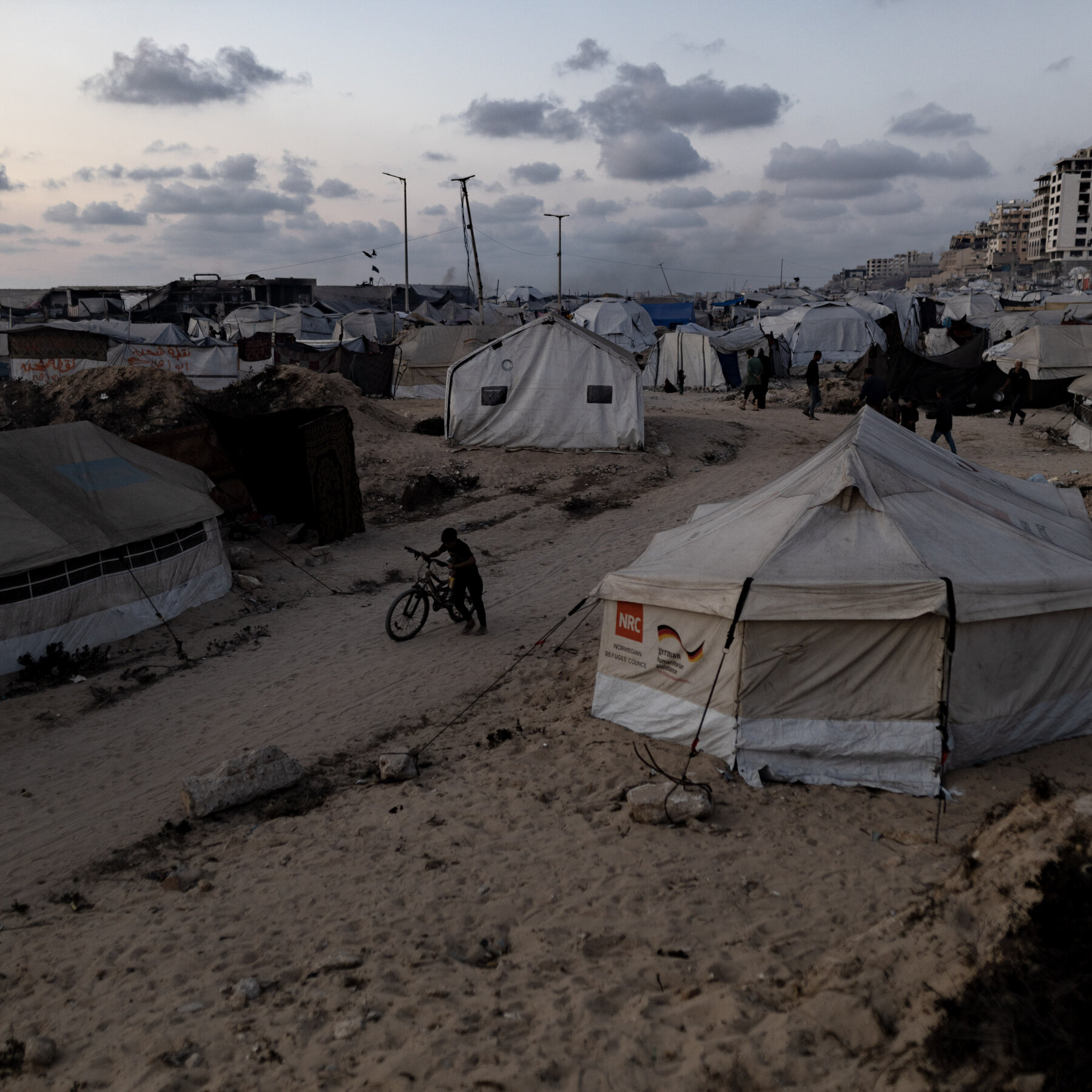
In the volatile arena of Middle Eastern politics, cease-fires are as fragile as they are crucial. The latest development in the ongoing conflict in Gaza is no exception. Hamas, the Palestinian militant group that governs the Gaza Strip, has expressed a conditional willingness to agree to a new cease-fire proposal. However, their acceptance hinges on the assurance that these negotiations will pave the way to a lasting resolution, signaling an end to the recurrent hostilities that have plagued the region.

The cease-fire proposal in question aims to halt the current hostilities, which have once again escalated, causing significant civilian casualties and hardship. The proposal, mediated by international actors, including countries that have historically played roles in peace processes in the region, seeks not only to stop the immediate violence but also to address some of the underlying issues that fuel this longstanding conflict.

Hamas’s demand for guarantees is not just a procedural formality. It reflects a deep-seated mistrust born from years of agreements that have failed to deliver lasting peace. The group insists that any cease-fire must not be a mere pause in fighting but a gateway to substantive political dialogue aimed at addressing the core issues at the heart of the conflict. These include the blockade of Gaza, the status of Palestinian prisoners, and the broader political rights of the Palestinian people.

The skepticism surrounding cease-fire agreements is not unfounded. Past cease-fires have often broken down, sometimes within days, as underlying tensions and unresolved grievances resurface. For Hamas and the Palestinian population in Gaza, the stakes are high. The enclave has been under a blockade imposed by Israel and Egypt since 2007, severely restricting the movement of people and goods. The blockade has devastated Gaza’s economy, exacerbated humanitarian crises, and deepened the sense of isolation among its population.

The international community’s role in ensuring that negotiations lead to substantial outcomes cannot be overstated. Past negotiations have often been criticized for failing to engage adequately with the legitimate aspirations and concerns of the Palestinian side. For a cease-fire to be effective and for it to lead to a durable peace, international mediators must ensure that all parties are genuinely committed to the process and that the agreements are implemented fully and fairly.

Moreover, the success of this cease-fire proposal depends on its ability to address not only the military aspects of the conflict but also its humanitarian, economic, and political dimensions. This includes lifting the blockade on Gaza, providing for the reconstruction of devastated infrastructure, and restoring normalcy to the lives of Gaza’s residents, who have suffered the brunt of the conflict.

In conclusion, while the latest cease-fire proposal represents a glimmer of hope amid the darkness of conflict, its success hinges on the willingness of all parties to move beyond temporary fixes and engage in a meaningful dialogue that addresses the root causes of the conflict. Only with strong guarantees and a clear path to lasting peace can this cease-fire proposal hope to achieve its objectives and bring about a significant change in the lives of those affected by the conflict in Gaza.

For more detailed coverage on this topic, visit the original article: [New York Times](https://www.nytimes.com/2025/07/03/world/middleeast/israel-hamas-ceasefire-negotiations.html)