Jonestown: Controversia y Reflexiones en el Nuevo Destino Turístico de Guyana

En 1978, Jonestown fue escenario de uno de los sucesos más trágicos y perturbadores de la historia moderna, cuando más de 900 personas perdieron la vida en un suicidio masivo liderado por Jim Jones, el líder del culto llamado Templo del Pueblo. Décadas después, este lugar en Guyana se ha convertido en un destino turístico, lo cual ha generado una ola de críticas y debates.

Recientemente, se ha informado que tanto sobrevivientes estadounidenses del suicidio masivo como ciudadanos guyaneses han expresado su descontento y preocupación por la transformación de Jonestown en una atracción turística. Argumentan que convertir un sitio de tanto dolor y sufrimiento en un punto de interés turístico es irrespetuoso hacia las víctimas y sus familias. Estos críticos sostienen que la memoria de quienes perdieron la vida debería ser honrada de una manera más respetuosa y solemne, en lugar de ser objeto de curiosidad y exploración por parte de turistas.

Por otro lado, hay quienes defienden la existencia de tours en Jonestown, argumentando que ofrecen lecciones importantes y necesarias. Estos defensores creen que visitar el lugar puede servir como una poderosa herramienta educativa que permite a las personas aprender de los errores del pasado. Según esta perspectiva, los tours pueden ayudar a ilustrar las consecuencias de seguir ciegamente a líderes carismáticos sin cuestionar sus motivos o métodos.

La controversia también ha abierto un debate más amplio sobre cómo deben manejarse los sitios de tragedias históricas. Similar a otros lugares marcados por eventos trágicos, como Auschwitz o el sitio del World Trade Center, la forma en que se presenta Jonestown a los visitantes es crucial. Es esencial encontrar un equilibrio entre conmemorar a las víctimas y educar al público, sin trivializar el dolor y la tragedia que ocurrió.

El interés turístico en Jonestown también plantea preguntas sobre las implicaciones económicas para la región. Guyana, un país con recursos limitados, podría ver el turismo como una fuente vital de ingresos. Sin embargo, es fundamental que cualquier beneficio económico no eclipse la sensibilidad y respeto que se debe a la historia del sitio y, más importante aún, a las personas que fueron afectadas por los eventos que allí ocurrieron.

En resumen, la transformación de Jonestown en un destino turístico es un tema complejo que involucra una variedad de perspectivas y emociones. Es crucial que cualquier decisión tomada en cuanto a cómo se maneja este sitio sea considerada cuidadosamente, con un enfoque en la educación y el respeto por la memoria de las víctimas. Mientras el debate continúa, lo que permanece claro es que las lecciones de Jonestown siguen siendo relevantes hoy en día y deben ser recordadas para prevenir que la historia se repita.

Para más detalles sobre esta historia, visita: https://www.nytimes.com/2025/07/03/world/americas/jonestown-guyana-tourists.html
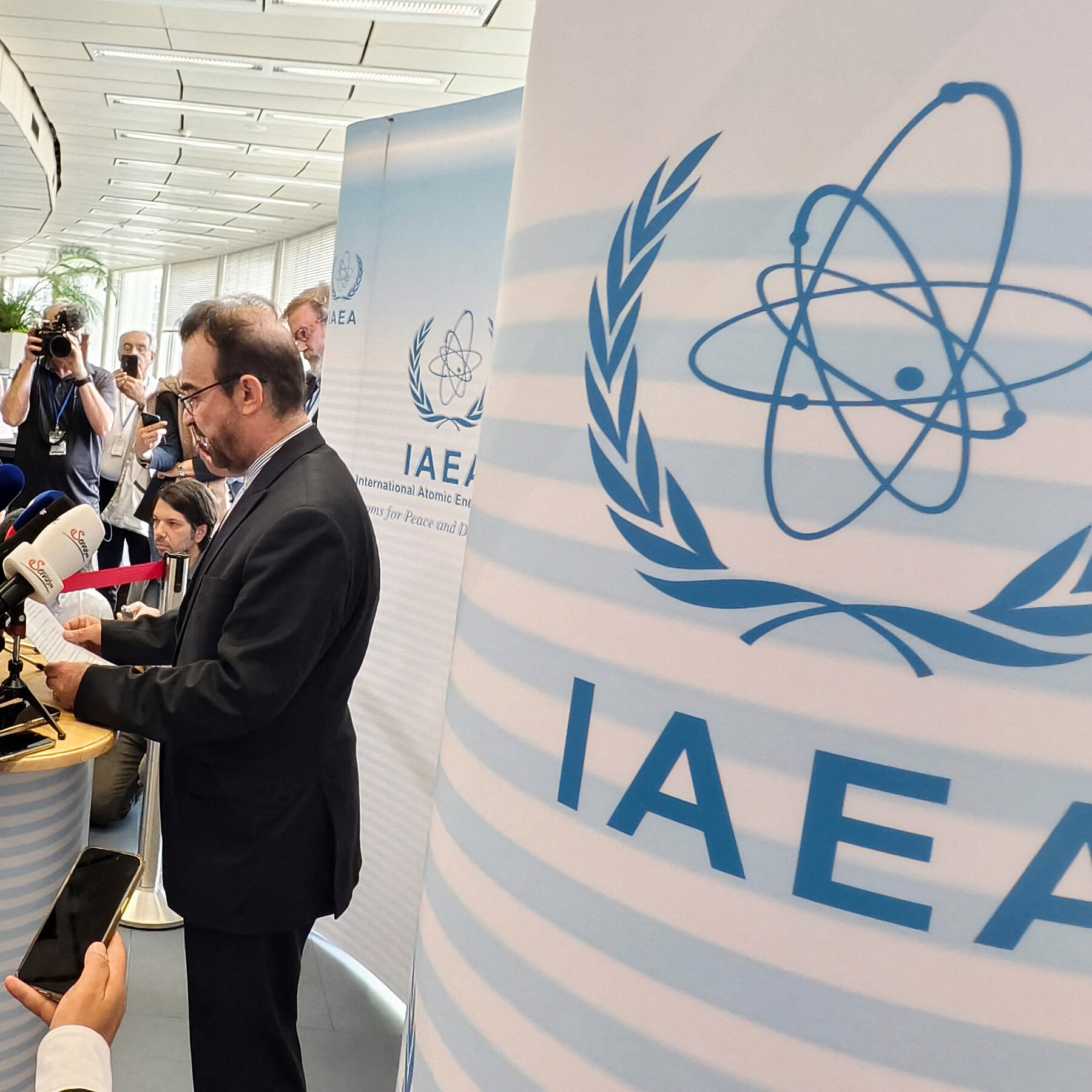

Inspectores Internacionales se Retiran de Irán en Medio de Tensiones Nucleares

En un giro preocupante de los acontecimientos, la retirada de inspectores internacionales de Irán ha encendido alarmas globales sobre las posibles intenciones nucleares del país. Este retiro ocurre en un contexto de ataques continuos atribuidos a Israel y Estados Unidos, que han deteriorado significativamente la infraestructura y estabilidad interna de Irán. La comunidad internacional teme que, bajo esta presión, Irán podría verse tentado a desarrollar armas nucleares como medida de defensa o de afirmación de su soberanía.

Los inspectores, parte de la Agencia Internacional de Energía Atómica (IAEA, por sus siglas en inglés), han jugado un papel crucial en monitorear las actividades nucleares de Irán bajo los términos del Plan de Acción Integral Conjunto (JCPOA). Este acuerdo, establecido en 2015 entre Irán y las potencias mundiales, tenía como objetivo limitar el programa nuclear iraní a cambio del levantamiento de sanciones económicas. Sin embargo, desde la retirada de Estados Unidos del acuerdo en 2018 y la reimposición de sanciones, Irán ha reiniciado algunas de sus actividades nucleares que habían sido suspendidas.

La situación se ha complicado aún más por una serie de ataques aéreos y cibernéticos que han dañado la infraestructura crítica iraní. Estos ataques han sido ampliamente atribuidos a Israel, que ve en el programa nuclear iraní una amenaza directa a su seguridad. Los Estados Unidos, por su parte, han expresado su apoyo a Israel y han continuado ejerciendo presión sobre Irán a través de sanciones y declaraciones públicas.

La retirada de los inspectores no solo reduce la visibilidad internacional sobre las actividades nucleares de Irán, sino que también envía un mensaje preocupante sobre la escalada de tensiones en la región. Sin la supervisión de la IAEA, hay un riesgo significativo de que Irán pueda avanzar en su programa nuclear sin restricciones, lo que podría desencadenar una reacción en cadena de acciones militares y diplomáticas adversas por parte de Israel, Estados Unidos y sus aliados.

En respuesta a la situación, varios líderes mundiales han expresado su preocupación y han llamado a una nueva ronda de diálogo internacional para abordar estas tensiones. La Unión Europea, en particular, ha mostrado interés en mediar en conversaciones que podrían llevar a un nuevo acuerdo o a la reanudación del JCPOA, con ajustes que reflejen las nuevas realidades geopolíticas.

La comunidad internacional se encuentra en un momento crucial. La posibilidad de que Irán desarrolle armas nucleares en un entorno de aislamiento y hostilidad podría desestabilizar aún más una región ya afectada por conflictos y tensiones geopolíticas. La diplomacia emergente y las negociaciones serán esenciales para evitar una escalada mayor que podría tener consecuencias devastadoras para la estabilidad regional y la seguridad global.

En estos tiempos inciertos, el mundo observa de cerca cómo se desarrollarán los eventos, esperando que las vías diplomáticas puedan prevalecer sobre la escalada militar y el conflicto. La retirada de los inspectores de la IAEA no solo es un símbolo de las fracturas en el enfoque internacional hacia Irán, sino también un recordatorio de que las soluciones duraderas requieren cooperación y compromiso entre todas las partes involucradas.

Referencia:
[The New York Times](https://www.nytimes.com/2025/07/04/world/middleeast/nuclear-inspectors-iran-iaea.html)

Seoul Battles Summer Lovebug Infestation: Residents Demand Stronger Measures

As the summer heat intensifies, residents of Seoul and the surrounding areas in South Korea are facing an unwelcome surge in lovebug populations. These small, seemingly innocuous insects have become a significant nuisance, disrupting daily life and eliciting a strong response from municipal workers and frustrated citizens alike.

Lovebugs, known scientifically as Plecia nearctica, are small flying insects that are particularly known for their mating behavior, where pairs remain coupled for days, even during flight. While they are harmless in terms of not biting or stinging, their sheer numbers and the mess they create have proven to be a major annoyance. This is especially problematic in urban areas like Seoul, where dense populations and high traffic can lead to large accumulations of these insects, affecting outdoor activities, local businesses, and cleanliness of public spaces.

Traditionally, municipal authorities have addressed insect infestations with chemical insecticides. However, in a bid to adopt more environmentally friendly practices, the current approach has shifted towards using water sprays to manage the lovebug problem. This method, while safer for the environment and non-toxic to humans, is proving less effective than residents hope. The water sprays are intended to disperse the swarms and wash away the insects from critical areas such as sidewalks, storefronts, and vehicles, where they often end up smeared on windshields and grilles, creating visibility issues for drivers.

Despite these efforts, many residents are calling for more robust measures. The sentiment in the community is one of growing impatience, as the benign nature of the lovebugs does little to offset the inconvenience they pose. Some locals argue that the situation calls for the use of stronger insecticides, as the water-based method is not sufficiently reducing the lovebug numbers or deterring their presence.

The debate over how to handle the infestation highlights a broader conversation about pest control and environmental responsibility. On one hand, there is a clear need to address public nuisances and health concerns effectively. On the other, there is an increasing push to ensure that methods of pest control do not inadvertently harm the environment or non-target species, which is often a risk with chemical poisons.

Experts in entomology and environmental science suggest that a balanced approach might be necessary. This could involve targeted use of insecticides in the most affected areas combined with continued use of less harmful methods like water sprays in less critical zones. Additionally, public education on the nature of lovebugs and how to minimize their impact through preventative measures could also play a role in managing the situation.

As the city continues to grapple with the lovebug issue, the coming weeks will be crucial in determining whether the current strategies will be adjusted. Municipal authorities are under increasing pressure to find a solution that satisfies the environmental goals of the city while also alleviating the concerns of its residents.

For more detailed coverage on this ongoing issue, visit [The New York Times](https://www.nytimes.com/2025/07/03/world/asia/south-korea-seoul-lovebugs.html).

Surge in Anti-Semitic Incidents in Australia Highlighted by Unscathed Synagogue in Melbourne

In a disturbing yet fortunate turn of events, a synagogue in Melbourne, Australia, became the focus of global attention after it was targeted in an incident that could have ended tragically. Remarkably, none of the approximately 20 individuals present inside the synagogue at the time were injured. This event is part of a troubling rise in anti-Semitic acts across Australia, sparking concern among communities and authorities alike.

The incident occurred on a quiet weekday, disrupting the peace of a community gathered in prayer and reflection. The details surrounding the incident remain under tight investigation, but early reports suggest an intentional act aimed at intimidating the Jewish community. The swift response by local emergency services ensured that the physical damage to the property was minimized, and more importantly, that no lives were lost.

However, the psychological and emotional impact of such events is harder to mitigate. Members of the synagogue, and the broader Jewish community in Melbourne, are understandably shaken. Community leaders have been vocal in their calls for increased security measures and greater awareness of the growing threat of anti-Semitic acts. The incident has also prompted a broader discussion about the rise in hate crimes targeting religious and ethnic minorities in Australia.

Statistics indicate a worrying trend in the frequency and intensity of anti-Semitic incidents in the country. According to recent reports by local watchdogs and international human rights organizations, there has been a noticeable increase in both verbal and physical attacks against Jews. These range from vandalism and graffiti with hateful messages to more severe threats and assaults.

The causes of this surge are complex and multifaceted. Experts point to a combination of factors, including economic uncertainty, political instability, and the proliferation of extremist ideologies online. Social media platforms, in particular, have been criticized for not doing enough to curb the spread of hate speech and misinformation, which often precedes physical acts of violence.

In response to the growing menace, Australian authorities have pledged to strengthen laws related to hate crimes and improve the operational capabilities of law enforcement agencies to deal with such threats effectively. Community outreach programs aimed at fostering understanding and solidarity among Australia’s diverse cultural groups are also being enhanced.

Furthermore, educational initiatives that promote tolerance and respect for all cultures and religions are being considered essential in tackling the root causes of hate crimes. Schools and universities across Australia are encouraged to include comprehensive programs that address the history and impact of anti-Semitism, as well as other forms of discrimination.

The international community has also reacted with concern to the recent events in Melbourne. Global leaders and human rights organizations are calling for a unified approach to combatting anti-Semitism, urging nations to cooperate in creating safer and more inclusive societies.

As the Melbourne synagogue incident vividly demonstrates, the impact of hate-driven violence can be profound, even when there is no loss of life. It is a stark reminder that the fight against anti-Semitism and all forms of hatred requires constant vigilance, proactive leadership, and the collective effort of communities worldwide.

For more details on the incident, visit the original article on The New York Times: https://www.nytimes.com/2025/07/04/world/australia/melbourne-synagogue-fire.html

Lucha Contra Incendios en Siria: Obstáculos Explosivos y Sequía Severa

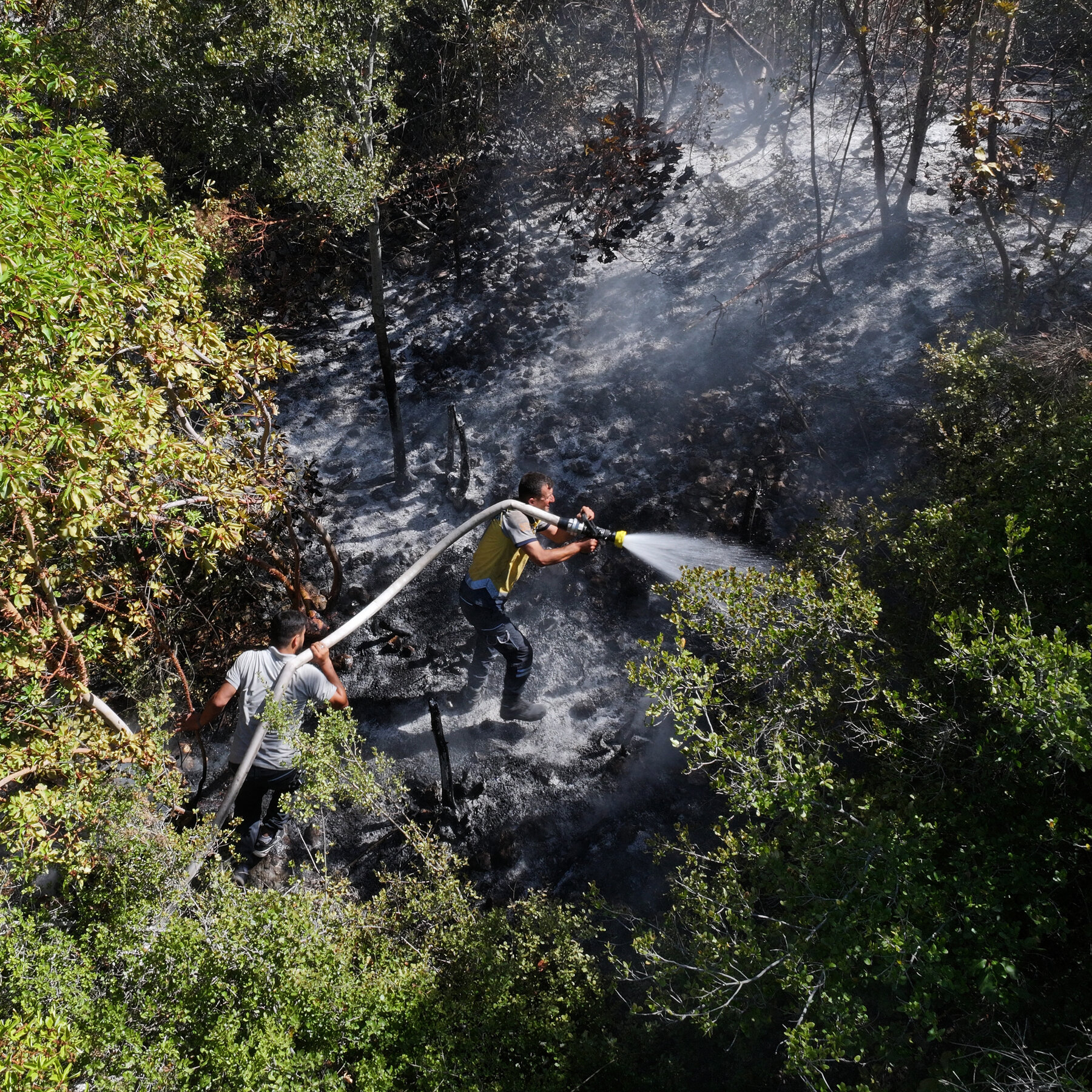
En Siria, los equipos de bomberos enfrentan desafíos sin precedentes mientras luchan contra los incendios forestales exacerbados por la peor sequía que ha azotado al país en décadas. Además de las adversas condiciones climáticas, los restos de explosivos y minas sin detonar, remanentes de la guerra civil, complican aún más los esfuerzos por controlar las llamas.

La guerra civil en Siria, que comenzó en 2011, ha dejado tras de sí un paisaje plagado de peligros ocultos, incluidos explosivos sin explotar y minas terrestres. Estos artefactos representan un riesgo significativo no solo para los residentes que vuelven a sus hogares sino también para los equipos de emergencia que trabajan en las áreas afectadas. El problema se ha exacerbado ahora con la llegada de los incendios forestales, que se esparcen rápidamente debido a las condiciones secas y ventosas.

La sequía, descrita por los meteorólogos como la más severa en varias décadas, ha dejado a los suelos extremadamente secos y a la vegetación deshidratada, creando condiciones ideales para que los incendios forestales se inicien y se propaguen con rapidez. Esta situación ha puesto a prueba la capacidad de respuesta de los bomberos, que ya de por sí se encuentran limitados por la falta de recursos y equipos adecuados debido a los años de conflicto y sanciones internacionales.

El manejo de incendios en un entorno tan complicado requiere no solo valentía sino también una planificación meticulosa y cooperación internacional. Equipos especializados en la remoción de minas han sido esenciales para permitir a los bomberos acceder a áreas que de otro modo serían demasiado peligrosas. Sin embargo, el proceso es lento y costoso, y cada retraso aumenta el riesgo de que los incendios se expandan aún más.

La comunidad internacional ha ofrecido ayuda, pero la situación política y las sanciones han complicado los esfuerzos de ayuda. Organizaciones no gubernamentales y agencias de la ONU están trabajando para coordinar la ayuda y el soporte técnico, pero la necesidad de equipos de extinción de incendios modernos y más personal entrenado es urgente.

Mientras tanto, la población local se ve obligada a lidiar no solo con el riesgo de incendios sino también con la escasez de agua y alimentos, problemas exacerbados por la sequía prolongada. Las comunidades agrícolas son las más afectadas, ya que la falta de lluvias ha devastado las cosechas y reducido las reservas de agua dulce, esencial tanto para el consumo humano como para la agricultura.

El cambio climático es otro factor que no se puede ignorar en esta ecuación. Expertos climáticos advierten que la frecuencia e intensidad de las sequías e incendios forestales probablemente aumentarán en el futuro, lo que subraya la necesidad de estrategias de adaptación y mitigación más robustas a nivel local e internacional.

En resumen, Siria se enfrenta a una tormenta perfecta de desastres naturales y legados de guerra que complican los esfuerzos para proteger y reconstruir la vida de sus ciudadanos. La combinación de minas terrestres, una severa sequía y la falta de recursos adecuados para combatir los incendios no solo es un recordatorio de las consecuencias duraderas de los conflictos sino también un llamado urgente a la acción internacional para asistir a las poblaciones vulnerables en tiempos de crisis.

Para más información, visite: [https://www.nytimes.com/2025/07/04/world/middleeast/syria-wildfires-drought.html](https://www.nytimes.com/2025/07/04/world/middleeast/syria-wildfires-drought.html)

Mass Evacuation in Crete: Over 1,500 Flee as Wildfire Threatens Tourist Hotspot

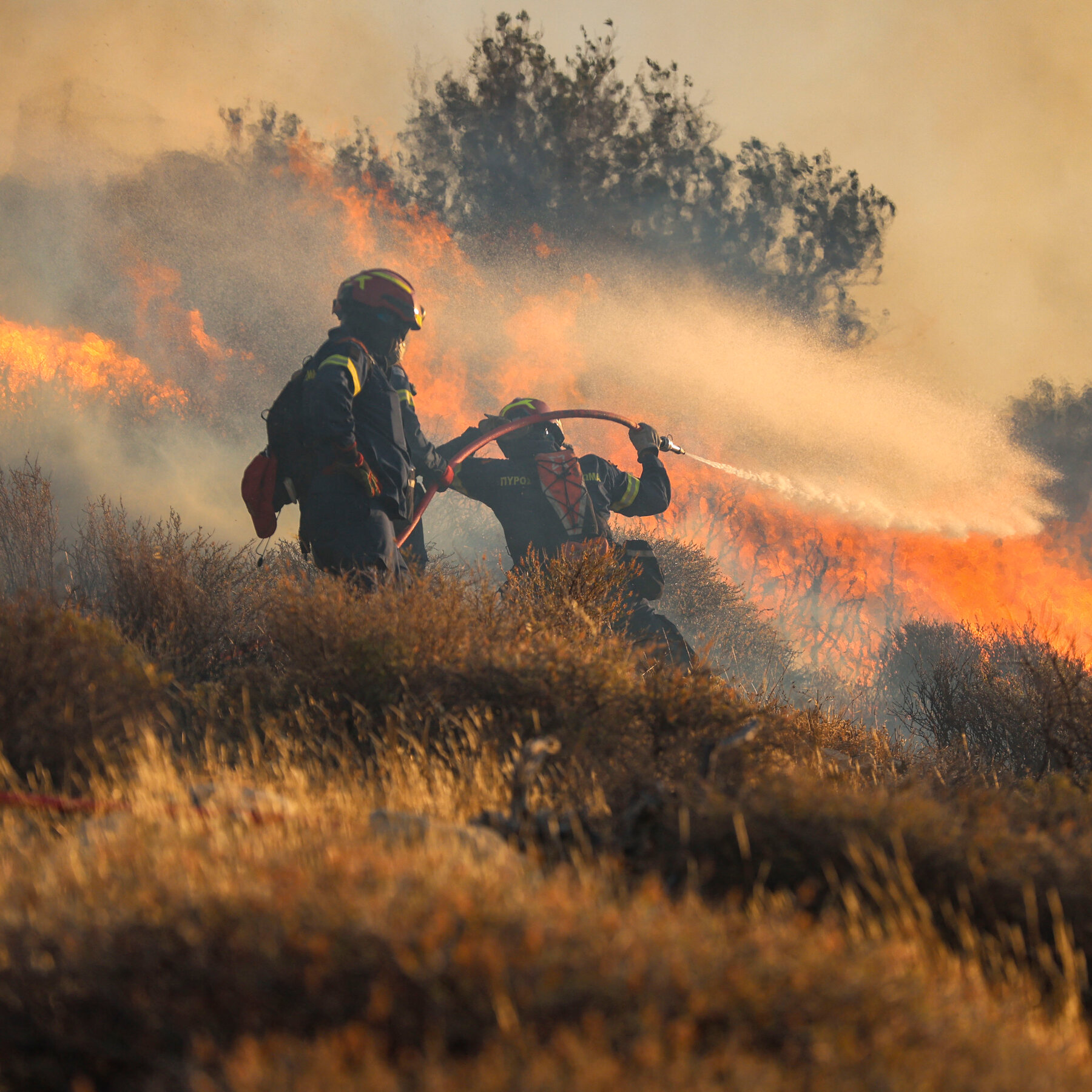
In a dramatic turn of events on the idyllic island of Crete, more than 1,500 people, predominantly tourists, were evacuated as a wildfire raged near the southeastern tip of the island. This incident not only underscores the growing concerns over climate-induced wildfires but also highlights the increasing vulnerability of tourist destinations to such natural disasters.

The fire erupted suddenly, fanned by strong winds, leading to an urgent and extensive evacuation operation. Local emergency services, including firefighters and first responders, were swiftly mobilized to combat the flames and assist in evacuations. Tourists at nearby resorts and local inhabitants were whisked away to safer areas as plumes of smoke cast a pall over the scenic landscapes of Crete.

The southeastern tip of Crete, known for its picturesque beaches and vibrant local culture, is a popular destination for both international and domestic tourists. The sudden outbreak of fire has put a temporary halt to the tranquil life and bustling tourist activities in the area. Hotels and other accommodations were quickly evacuated, with emergency shelters being set up to house those displaced by the disaster.

The Greek authorities have been actively working to manage the situation, with firefighting teams deploying both ground and aerial tactics to contain the fire. Helicopters and planes have been used to drop water on the flames in an attempt to prevent the spread of the fire to densely populated areas and critical infrastructure. Despite these efforts, the rugged terrain and strong winds have posed significant challenges, complicating the firefighting operations.

This incident is a stark reminder of the increasing incidence of wildfires across the Mediterranean, exacerbated by climate change and rising temperatures. Greece, like many of its neighboring countries in the region, has been experiencing a higher frequency of such fires in recent years, prompting greater scrutiny on environmental policies and disaster preparedness strategies.

Tourism, a vital sector for Greece’s economy, especially on islands such as Crete, is particularly susceptible to the impacts of such natural disasters. The local economy depends heavily on the influx of tourists, and incidents like these can have a lasting impact on tourist perceptions and future travel plans. Recovery and rehabilitation of the affected areas will be a priority for local authorities to ensure the continuity of tourism and safeguarding of the natural and cultural heritage.

The broader implications of such wildfires are also significant in terms of environmental damage and biodiversity loss. The flora and fauna of Crete, much like other parts of the Mediterranean, are adapted to dry conditions but are increasingly threatened by the intensity and frequency of wildfires.

As the situation in Crete continues to evolve, the focus remains on controlling the blaze and ensuring the safety of all residents and visitors. The resilience of the local communities and the response by emergency services will be crucial in overcoming this challenge. Meanwhile, environmental experts and policymakers must address the root causes of these fires to prevent future occurrences and protect the delicate balance of these cherished ecosystems.

For more information, please visit [The New York Times](https://www.nytimes.com/2025/07/04/world/europe/greece-crete-wildfires-tourism.html).

British F-35B Jet Stranded in Southern India Becomes Unlikely Tourist Attraction

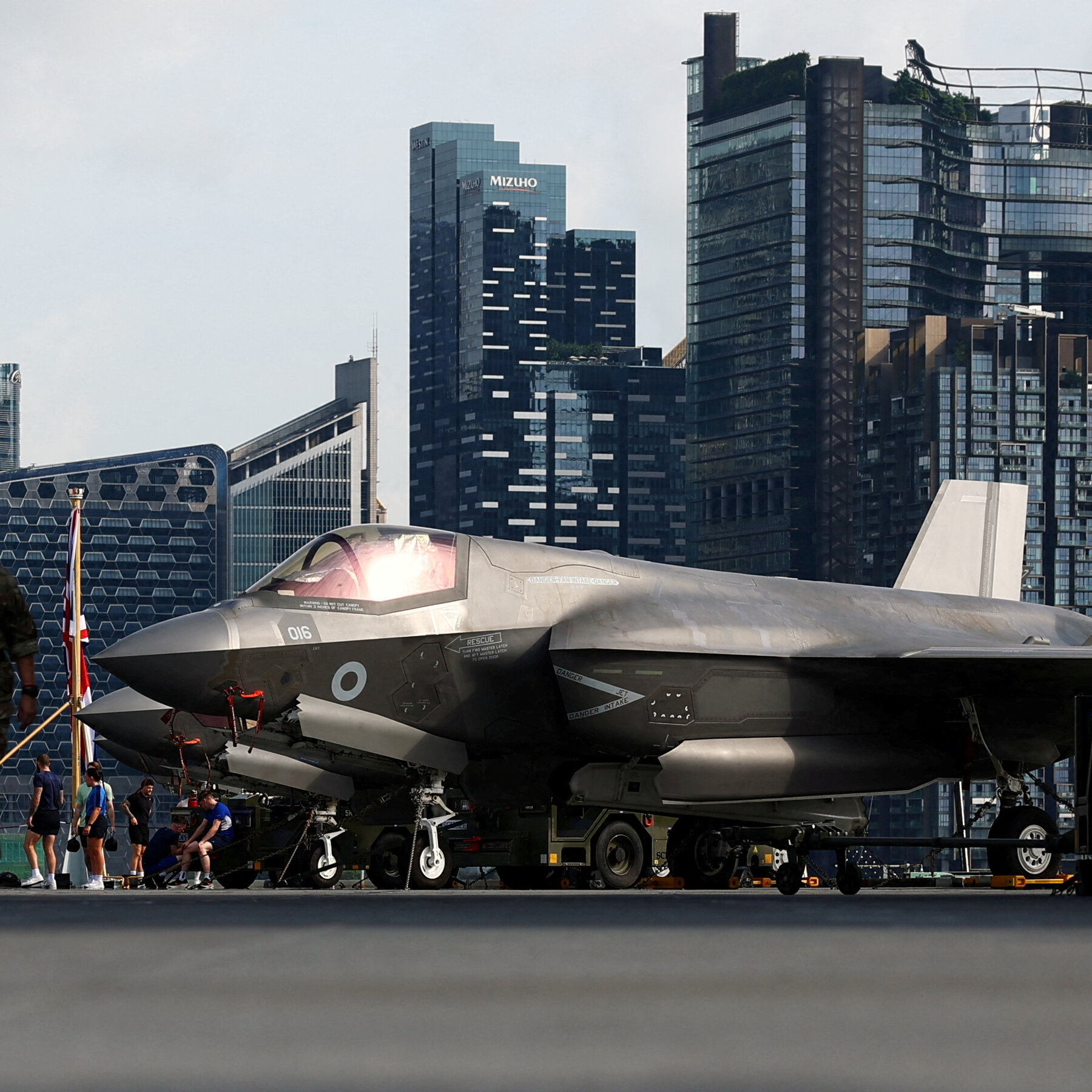
In a rather unexpected turn of events, a British F-35B fighter jet has found itself grounded at an airport in southern India due to mechanical issues. The incident, which has persisted for several weeks now, has captured the imagination of the internet and has unexpectedly boosted local tourism.

The F-35B, known for its advanced stealth capabilities and versatility in combat, is a rare sight in this part of the world, which perhaps explains the heightened interest. Originally designed for the U.S. Marines, the F-35B variant is capable of short takeoffs and vertical landings, making it one of the most technologically advanced aircrafts in the modern military arsenal. The jet was on a routine operation when it encountered mechanical difficulties, necessitating an unplanned landing at the nearest suitable airfield, which happened to be in Kerala, India.

The presence of the F-35B on Indian soil is not just a technical stopover; it has morphed into a cultural phenomenon. Local tourism agencies in Kerala have capitalized on the unexpected visitor, incorporating the stranded jet into their promotional materials and offering guided tours to curious locals and tourists alike. The spectacle of seeing one of the most advanced fighter jets up close has drawn crowds, providing a temporary boost to the local economy.

Social media has played a significant role in spreading the word about the jet. Photos and videos of the F-35B have circulated widely, with hashtags like #JetInKerala becoming trending topics on platforms such as Twitter and Instagram. The virality of these posts has not only attracted more visitors but also sparked a plethora of memes and playful commentary, further cementing the aircraft’s status as a local celebrity.

However, the situation raises important questions about the logistical and diplomatic implications of such an incident. The grounding of a military aircraft on foreign soil is a delicate matter, involving not just technical repairs but also negotiations between the countries involved. The British and Indian governments have had to coordinate closely to address the security concerns and to plan for the eventual repair and retrieval of the jet.

Experts point out that while the incident is a boon for local tourism, it also serves as a reminder of the complexities of modern military operations. The F-35B, like any sophisticated machinery, is prone to occasional malfunctions, and the logistics of dealing with such issues are exponentially complicated when they occur away from home base.

The local response has been overwhelmingly positive, with many seeing the humorous side of the situation. The juxtaposition of a high-tech military aircraft against the backdrop of Kerala’s lush landscapes offers a striking contrast that resonates with both locals and visitors. It also highlights the universality of fascination with advanced technology and the unifying power of unexpected events.

As technicians work to fix the jet and prepare it for its journey back to the UK, the story of the stranded F-35B continues to be a source of intrigue and amusement. What was once just a routine flight has turned into a memorable episode, demonstrating how even a high-tech fighter jet can become an unlikely bridge between cultures.

Reference Link:
https://www.nytimes.com/2025/07/04/world/asia/india-kerala-tourism-f35-fighter-jet.html

Pope Francis Breaks 400-Year Tradition; Leaves Castel Gandolfo Without a Summer Visitor

For centuries, the serene hilltop town of Castel Gandolfo in Italy has played host to a very special summer guest—the Pope. This tradition, which spanned an impressive 400 years, saw most pontiffs escaping the oppressive heat of Roman summers by retreating to the cooler climes and picturesque scenery of this small town. However, this long-standing custom came to an unexpected halt with the papacy of Pope Francis.

Understandably, the absence of the pontiff during the summer months has left the residents of Castel Gandolfo feeling somewhat abandoned. This town, located about 25 kilometers southeast of Rome, has long relied on the annual papal visit not just for its cultural significance but also for the economic boost it brings. Local businesses, from souvenir shops to small cafes, thrived on the influx of tourists and pilgrims who followed the Pope to this scenic locale.

The tradition began with Pope Urban VIII, who first made his summer retreat to Castel Gandolfo in the early 17th century. The Papal Palace, an architectural marvel set overlooking Lake Albano, served as the summer residence of successive popes, who found solace and a temporary escape from their Vatican duties amidst its expansive gardens and frescoed halls. Over the years, the presence of the Pope turned this quiet town into a bustling hub of religious activity and tourism.

Pope Francis, known for his modest lifestyle and focus on pastoral duties rather than ceremonial pomp, chose not to use the Papal Palace as his summer residence. His decision marks a significant shift in papal tradition, reflecting his broader approach of breaking away from the lavish customs often associated with the Vatican. Instead, Pope Francis has often used the summer period to continue his work in the Vatican or to travel on pastoral visits around the world.

The economic and social impact of this decision on Castel Gandolfo has been profound. While the town still attracts visitors drawn by its historical connection to the papacy and its natural beauty, the numbers have dwindled without the annual papal visit. The local government and tourism boards have been forced to rethink their strategies to attract tourists, focusing on promoting the town’s rich history, the Papal Palace, now turned into a museum, and the stunning volcanic lake, which offers various recreational activities.

In response to the changing times, Castel Gandolfo has begun to reinvent itself. The town is enhancing its appeal by hosting music festivals, art exhibitions, and food markets that showcase the rich culinary traditions of the region. These initiatives aim to keep the town vibrant and economically viable, even without the Pope’s summer presence.

Despite these efforts, the sentimental value of the papal tradition cannot be underestimated. For many locals and visitors alike, the Pope’s summer stay was a time of spiritual renewal and community celebration. It is a testament to the deep historical ties and personal connections that have defined Castel Gandolfo for centuries.

As Castel Gandolfo adapts to this new era without its most famous summer resident, the town continues to hold onto its rich heritage while embracing change. The hope remains that even without the annual papal visit, Castel Gandolfo will continue to thrive and attract visitors from around the world, drawn by its beauty, history, and the warm hospitality of its residents.

Reference: [New York Times Article](https://www.nytimes.com/2025/07/03/world/europe/pope-leo-summer-castel-gandolfo.html)

Claves del Cese al Fuego en Gaza: Negociaciones de Paz y Canje de Prisioneros

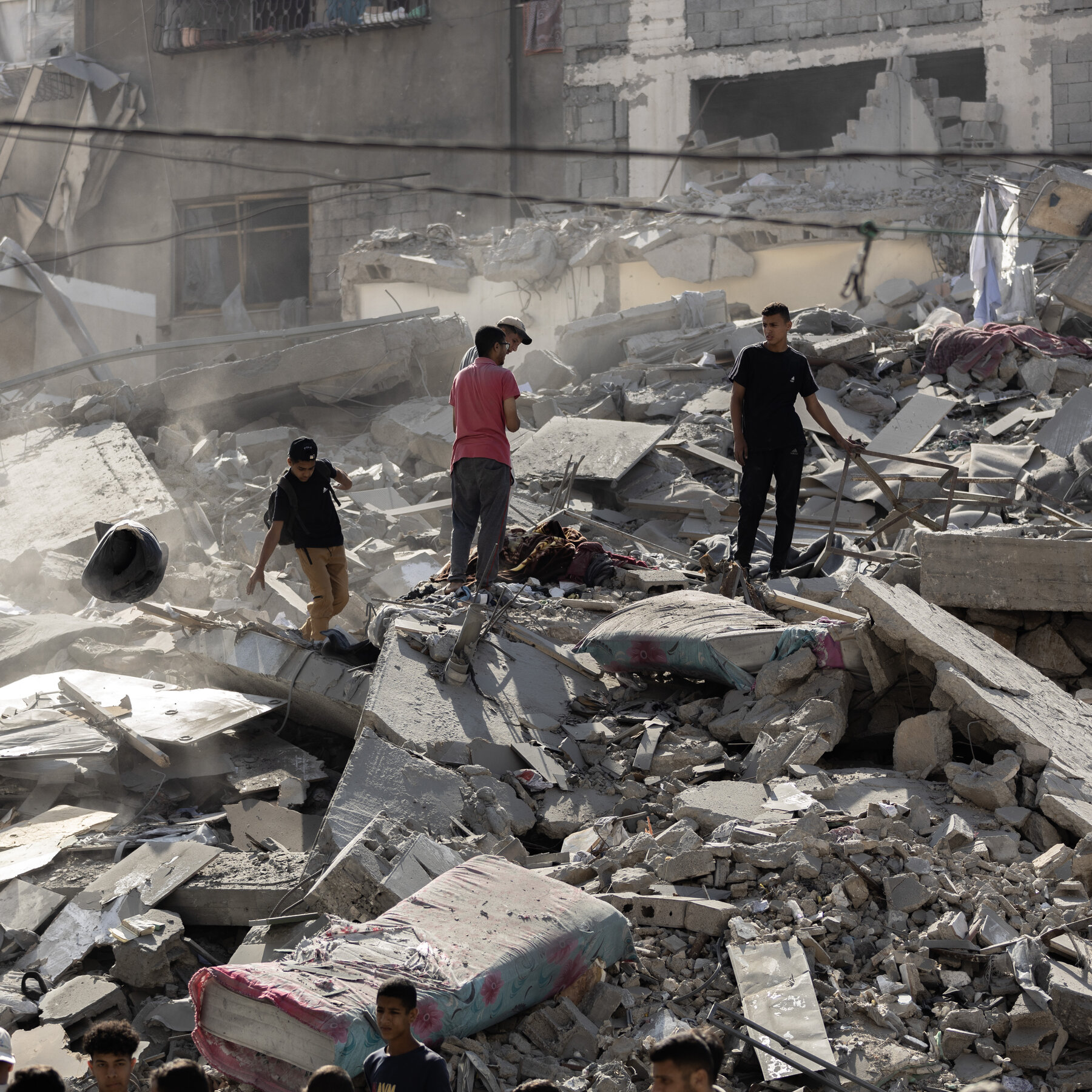
En medio de las crecientes tensiones y el prolongado conflicto en Gaza, emerge una posibilidad de tregua que podría marcar un cambio significativo en la región. Recientemente, se ha propuesto un plan para un alto al fuego de 60 días, que incluye intercambios de prisioneros por rehenes y conversaciones sobre un cese permanente de las hostilidades. Sin embargo, no está claro si el grupo involucrado en las negociaciones exige cambios sustanciales a este plan.

El conflicto en Gaza ha sido una fuente constante de violencia y sufrimiento para ambos lados, y cualquier intento de negociación hacia la paz es siempre una noticia de alto interés. La propuesta actual de cese al fuego implica no solo una pausa en la lucha, sino también la implementación de intercambios de prisioneros por rehenes, un gesto humanitario que podría aliviar las tensiones y sentar las bases para conversaciones más constructivas.

La idea de un alto al fuego temporal no es nueva en regiones de conflicto prolongado como Gaza, pero la inclusión de negociaciones para un cese permanente agrega una dimensión adicional y esperanzadora al panorama. Los intercambios de prisioneros y rehenes, en particular, son un componente crítico de las negociaciones de paz, ya que ofrecen un camino tangible hacia la reconciliación y la confianza entre las partes. Estos actos no solo tienen el potencial de reunir familias y seres queridos sino también de humanizar a los adversarios a los ojos de sus respectivas comunidades.

Sin embargo, la falta de claridad sobre si el grupo negociador, presumiblemente Hamas, está buscando alteraciones significativas en los términos del acuerdo actual plantea cuestiones sobre la viabilidad a largo plazo de la tregua. Las demandas específicas o las modificaciones deseadas por cualquiera de las partes aún no han sido detalladas públicamente, lo que añade una capa de incertidumbre al proceso.

Además, las conversaciones sobre un fin permanente a la guerra en Gaza son especialmente complejas, dada la historia de la región y los múltiples fracasos de intentos anteriores de paz. Cualquier discusión que busque una solución duradera debe abordar una plétora de temas políticos, territoriales y sociales, que son intrínsecamente complicados y sensibles.

La comunidad internacional, mientras tanto, sigue observando de cerca estos desarrollos. Muchos líderes y organizaciones globales han expresado su apoyo a una resolución pacífica y están dispuestos a facilitar y apoyar las negociaciones de paz. El éxito de un cese al fuego de 60 días podría no solo proporcionar un respiro necesario para los ciudadanos de Gaza sino también actuar como un caso de prueba para futuros esfuerzos de paz.

A medida que las conversaciones continúan, el mundo espera con la esperanza de que esta vez, a diferencia de las anteriores, las negociaciones puedan llevar a un camino sostenible hacia la paz. La implementación efectiva de la tregua y los intercambios de prisioneros será crucial, y podría muy bien determinar el futuro inmediato de la región.

Para obtener más información sobre este tema, visite el enlace original del artículo: [The New York Times](https://www.nytimes.com/2025/07/04/world/middleeast/hamas-israel-ceasefire.html).

UK Court Upholds Ban on Palestine Action Group Pending Full Legal Review

In a significant legal development, the United Kingdom has upheld the decision to classify the Palestine Action group as a terrorist organization, pending a comprehensive legal challenge from the group itself. This decision marks a pivotal moment in the UK’s ongoing efforts to address what it perceives as threats to national security, while also stirring debates about freedom of speech and the right to protest.

Palestine Action has been known for its vocal and sometimes disruptive protests against Israeli military actions and policies. The group’s activities have frequently drawn attention to what they deem as unjust practices towards Palestinians. However, their methods, which have included the occupation of factory buildings and offices believed to be linked to the Israeli defense infrastructure, have led to numerous arrests and legal confrontations.

The recent court ruling came after the Home Office declared Palestine Action a terrorist organization under laws that target groups believed to be involved in terrorism. This designation makes membership in or support for the group a criminal offense, potentially leading to significant legal repercussions for those associated with it.

The decision to maintain the ban during the group’s legal challenge was based on assessments by security agencies that suggested that the activities of Palestine Action could incite further violence and disrupt public order. The ruling has, however, faced criticism from human rights organizations and advocacy groups who argue that this is a severe clampdown on peaceful protest and free expression. They contend that the actions taken by Palestine Action, while provocative, do not constitute terrorism.

Legal experts have pointed out that the definition of terrorism is complex and often subject to broad interpretation. In the UK, terrorism is defined as the use or threat of action designed to influence the government or an international governmental organization or to intimidate the public or a section of the public, for the purpose of advancing a political, religious, racial, or ideological cause. Critics of the ban argue that this definition can be too widely applied, potentially encompassing activities that do not involve harm to people or property.

The implications of this decision are far-reaching. If the legal challenge by Palestine Action fails, this could set a precedent for how similar groups are treated under UK law in the future. It raises important questions about where the line is drawn between legitimate political protest and actions that genuinely threaten public safety and order.

Supporters of the ban argue that the government has a duty to protect its citizens and maintain public order, and that Palestine Action’s tactics have crossed the line from peaceful protest to acts that could potentially aid in terrorist activities. They assert that the safety of the public and the protection of national security must be the priority.

As the legal proceedings continue, this case will likely become a touchstone in debates over national security versus civil liberties in the UK. It underscores the delicate balance governments must maintain in a world where acts of protest are increasingly global and interconnected, and where the definitions of terrorism and free speech are continuously evolving.

For more details on this developing story, visit the original article from The New York Times: [https://www.nytimes.com/2025/07/04/world/europe/palestine-action-loses-appeal-ban-terrorist.html](https://www.nytimes.com/2025/07/04/world/europe/palestine-action-loses-appeal-ban-terrorist.html).