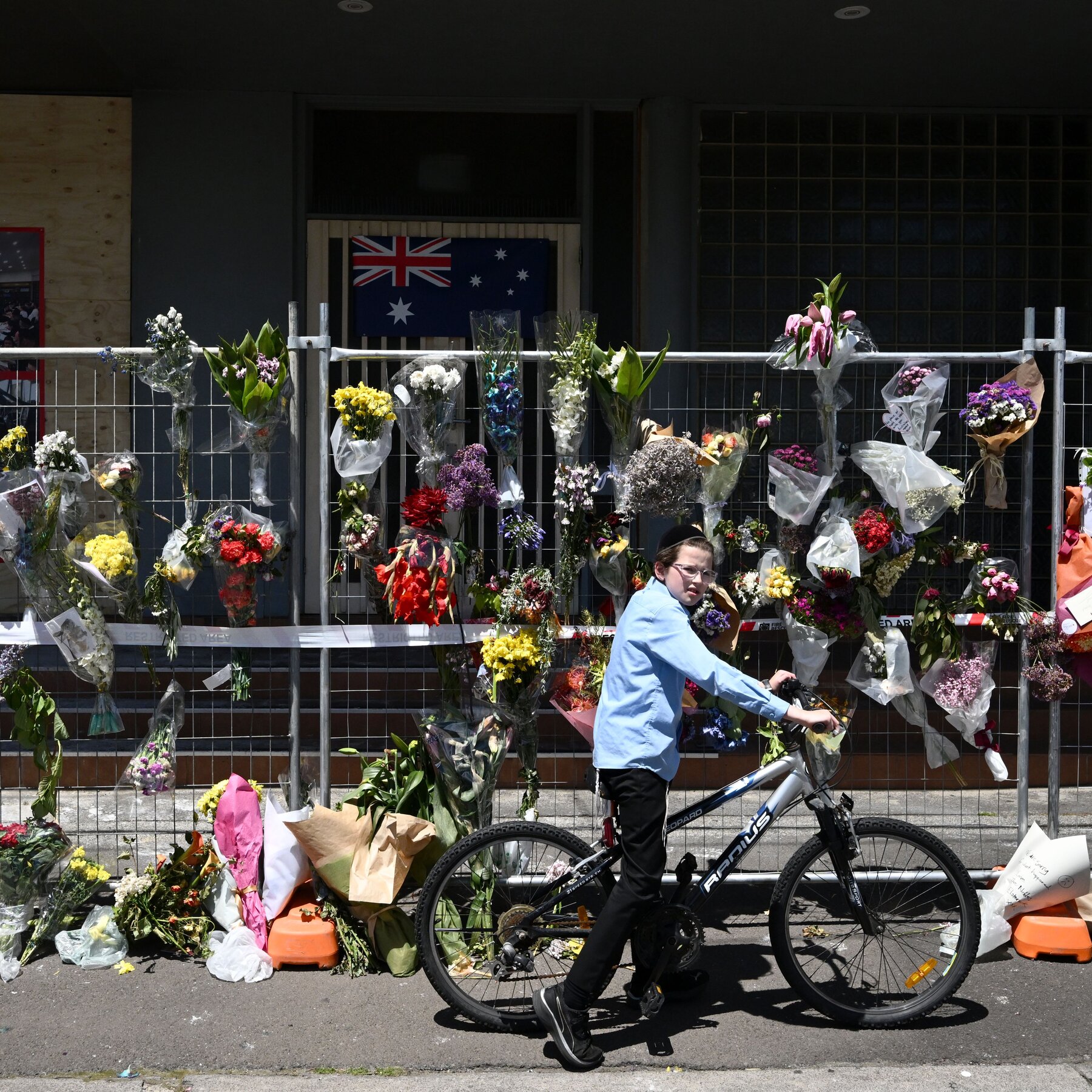
In a disturbing yet fortunate turn of events, a synagogue in Melbourne, Australia, became the focus of global attention after it was targeted in an incident that could have ended tragically. Remarkably, none of the approximately 20 individuals present inside the synagogue at the time were injured. This event is part of a troubling rise in anti-Semitic acts across Australia, sparking concern among communities and authorities alike.
The incident occurred on a quiet weekday, disrupting the peace of a community gathered in prayer and reflection. The details surrounding the incident remain under tight investigation, but early reports suggest an intentional act aimed at intimidating the Jewish community. The swift response by local emergency services ensured that the physical damage to the property was minimized, and more importantly, that no lives were lost.
However, the psychological and emotional impact of such events is harder to mitigate. Members of the synagogue, and the broader Jewish community in Melbourne, are understandably shaken. Community leaders have been vocal in their calls for increased security measures and greater awareness of the growing threat of anti-Semitic acts. The incident has also prompted a broader discussion about the rise in hate crimes targeting religious and ethnic minorities in Australia.
Statistics indicate a worrying trend in the frequency and intensity of anti-Semitic incidents in the country. According to recent reports by local watchdogs and international human rights organizations, there has been a noticeable increase in both verbal and physical attacks against Jews. These range from vandalism and graffiti with hateful messages to more severe threats and assaults.
The causes of this surge are complex and multifaceted. Experts point to a combination of factors, including economic uncertainty, political instability, and the proliferation of extremist ideologies online. Social media platforms, in particular, have been criticized for not doing enough to curb the spread of hate speech and misinformation, which often precedes physical acts of violence.
In response to the growing menace, Australian authorities have pledged to strengthen laws related to hate crimes and improve the operational capabilities of law enforcement agencies to deal with such threats effectively. Community outreach programs aimed at fostering understanding and solidarity among Australia’s diverse cultural groups are also being enhanced.
Furthermore, educational initiatives that promote tolerance and respect for all cultures and religions are being considered essential in tackling the root causes of hate crimes. Schools and universities across Australia are encouraged to include comprehensive programs that address the history and impact of anti-Semitism, as well as other forms of discrimination.
The international community has also reacted with concern to the recent events in Melbourne. Global leaders and human rights organizations are calling for a unified approach to combatting anti-Semitism, urging nations to cooperate in creating safer and more inclusive societies.
As the Melbourne synagogue incident vividly demonstrates, the impact of hate-driven violence can be profound, even when there is no loss of life. It is a stark reminder that the fight against anti-Semitism and all forms of hatred requires constant vigilance, proactive leadership, and the collective effort of communities worldwide.
For more details on the incident, visit the original article on The New York Times: https://www.nytimes.com/2025/07/04/world/australia/melbourne-synagogue-fire.html